What is Vacuum Brake Bleeder and How Does It Work?
A Vacuum Brake Bleeder is an essential tool in automotive maintenance. It plays a vital role in ensuring the brakes function properly. This tool uses a vacuum to remove air from the brake lines. Air in the brake system can lead to decreased performance and safety hazards.
Understanding how a Vacuum Brake Bleeder works can simplify the bleeding process. It eliminates the need for manual pumping, which can be inconsistent. By creating a vacuum, this tool draws fluid through the lines, ensuring a thorough bleed. Proper use ensures that brake parts remain in optimal condition.
Many car owners may overlook this device. However, the reliability it provides is crucial. A well-maintained braking system can save lives. It’s important to recognize the significance of using a Vacuum Brake Bleeder correctly. Familiarity with this tool can boost your automotive skills and confidence.
What is a Vacuum Brake Bleeder?
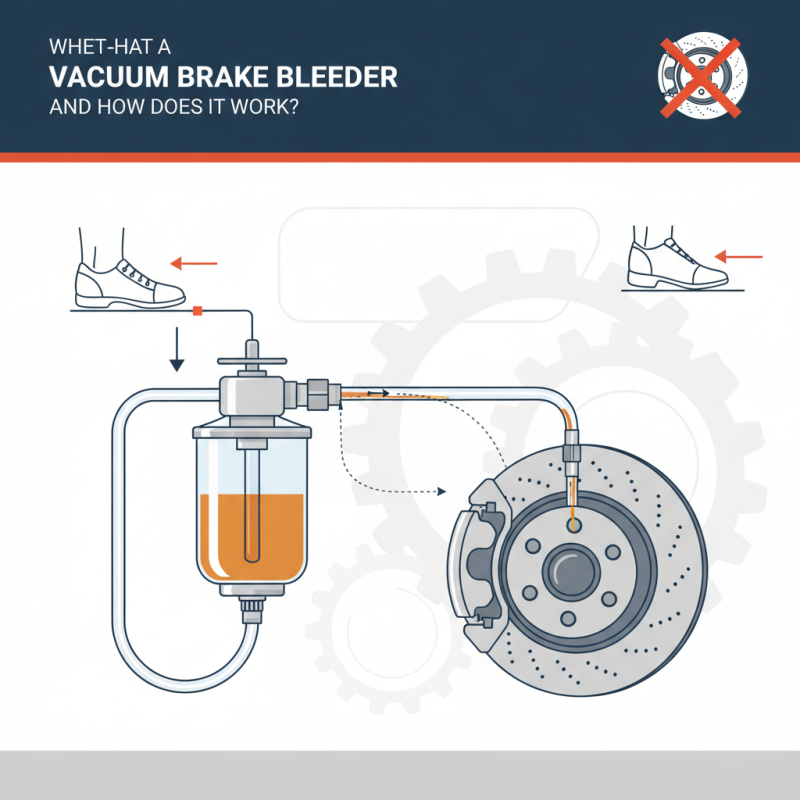
A vacuum brake bleeder is a tool designed to remove air from brake lines. Air in the brake system can lead to a spongy brake feel. This device creates a vacuum, drawing brake fluid through the system. It is essential for maintaining optimal brake performance.
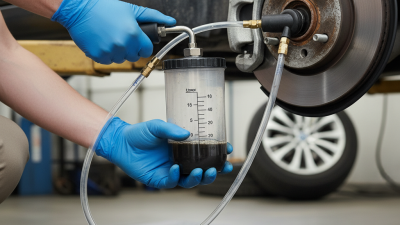
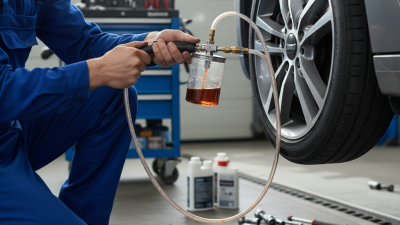
Operating a vacuum brake bleeder is straightforward. Attach the device to the brake bleeder valve on the caliper. Activate the vacuum, and fluid will flow toward the device, along with any trapped air. It's crucial to monitor fluid levels during the process. An empty reservoir can introduce more air into the system. This can complicate the bleeding process and lead to safety issues.
Using a vacuum brake bleeder also has its challenges. Sometimes, stubborn air bubbles may remain in difficult spots. In such cases, additional techniques may be necessary. Some users may find that experience plays a significant role in achieving successful results. Mistakes can happen, but they are opportunities for learning. Understanding the tool and its limitations ensures effective brake maintenance.
Principle of Operation for Vacuum Brake Bleeders
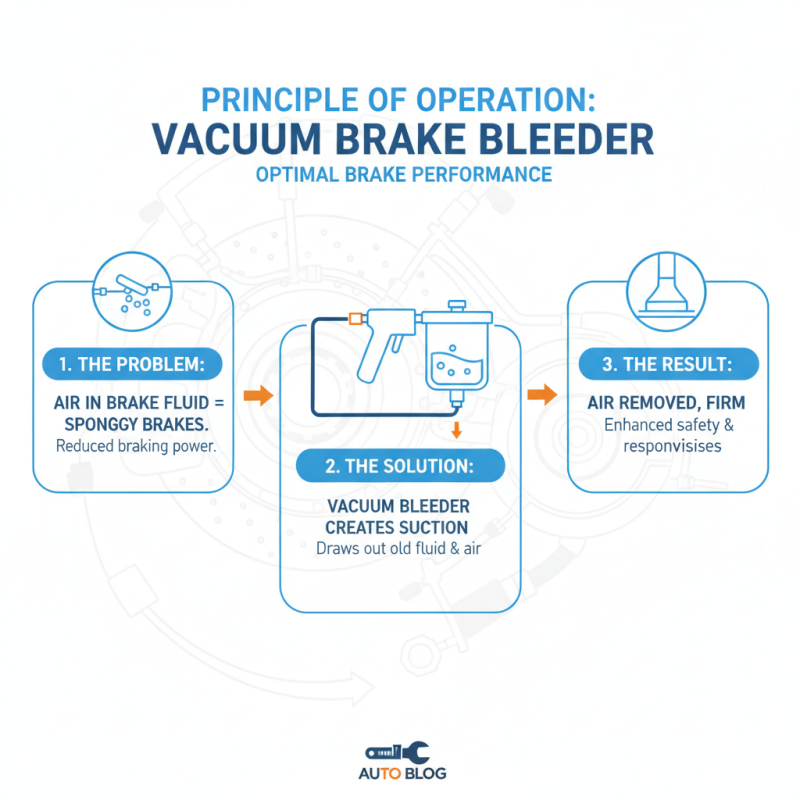
Vacuum brake bleeders use a vacuum system to remove air from the brake lines. This process is vital for ensuring optimal brake performance. Air in brake fluid can lead to a spongy feel when braking. A vacuum bleeder creates suction, drawing out old fluid and trapped air efficiently.
In operation, the device connects to the brake bleeder valve. As the vacuum is applied, fluid is pulled from the system. This is often faster than traditional manual bleeding methods. Technicians can monitor fluid levels easily. It is crucial to ensure the reservoir is filled during this process. Over time, some air may still seep in, requiring additional attention.
While vacuum brake bleeders are effective, they aren't foolproof. Users may encounter difficulties if the vacuum isn’t strong enough. Some impurities in the fluid can remain, affecting brake safety. Regular checks and maintenance are necessary to ensure reliability. Although convenient, relying solely on this tool may lead to oversight in other brake maintenance areas.
Step-by-Step Guide to Using a Vacuum Brake Bleeder
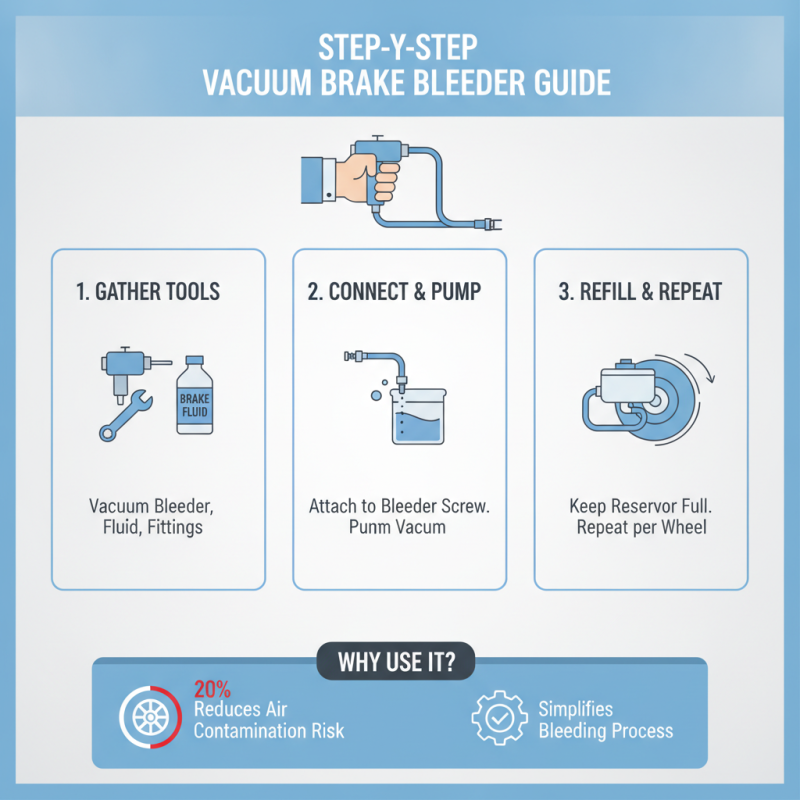
Using a vacuum brake bleeder can seem daunting, yet it simplifies the brake bleeding process. To begin, ensure you have the proper tools: a vacuum brake bleeder, brake fluid, and the right fittings for your vehicle. Research suggests that up to 20% of brake systems experience air contamination, leading to inefficiencies. This tool effectively minimizes that risk.
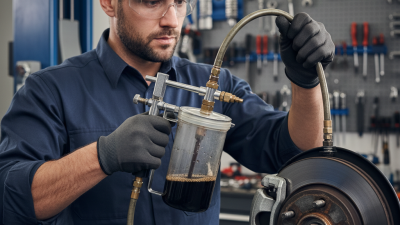
Start by securing the vacuum bleeder to the brake master cylinder. Create a vacuum seal, making sure no air enters. This step is crucial. Without it, you may introduce more air into the system. Once sealed, open the bleed screw on the brake caliper. Observe the fluid flow. Ideally, fluid should flow continuously without bubbles. If bubbles are observed, it indicates air in the system, and you need to repeat the process.
It's essential to monitor the brake fluid level throughout. Running low can create a new set of problems. Statistics show that approximately 25% of brake failures relate to improper bleeding. This emphasizes the importance of diligence in monitoring and ensuring all air is removed. A clean brake system is vital for safety and performance. If the process feels inconsistent, reevaluate your technique. Do not rush; thoroughly bleeds each brake to maintain optimal performance.
Common Applications and Benefits of Vacuum Brake Bleeders
Vacuum brake bleeders are essential tools in automotive maintenance. They efficiently remove air from brake lines, ensuring optimal performance. One key benefit is time efficiency; professionals report that using a vacuum bleeder can reduce the bleeding time by up to 50%. This efficiency is crucial for shops aiming to maximize productivity and minimize downtime.
Another advantage lies in the ability to achieve a thorough brake fluid change. Studies indicate that moisture in brake fluid can decrease boiling points and compromise safety. Vacuum brake bleeders help eliminate air, allowing for a more complete replacement of old fluid. This thoroughness is significant, as brake fluid can absorb moisture over time, affecting braking performance.
Tips: Always check the brake fluid level during the process. Ensure proper connections to avoid leaks. If you encounter resistance, reassess your setup. Regularly maintain your vacuum bleeder for reliability. A well-maintained tool ensures consistent performance and safety for your vehicle. Regular use can prevent potential issues, but it requires careful handling and attention to detail.
Vacuum Brake Bleeder Applications and Benefits
This chart illustrates the applications and benefits of using a vacuum brake bleeder. The percentages indicate the level of importance or effectiveness attributed to each benefit, showcasing its advantages in automotive maintenance.
Maintenance Tips for Vacuum Brake Bleeder Equipment
Maintaining a vacuum brake bleeder is vital for optimal performance. Proper maintenance can extend the life of this equipment and ensure safe operation. Clean the unit regularly to prevent contaminants from entering the system. According to industry reports, approximately 30% of brake system failures are attributed to improper bleeding techniques. This highlights the importance of using well-maintained tools.
Monitor the vacuum pump's performance. A decrease in vacuum pressure may indicate wear or damage. Regularly check for leaks in the hoses and seals. A small leak can compromise the system's effectiveness, leading to dangerous situations. It's estimated that around 15% of DIY brake jobs fail due to neglected maintenance of bleeding equipment.
For best results, use fresh brake fluid. Older fluid may absorb moisture, reducing performance. When filling the reservoir, avoid overfilling. This could lead to spillage and contamination of the brake components. Remember, investing in maintenance not only ensures safety but can also save costs in the long run. Keeping these tips in mind can significantly enhance the reliability of your vacuum brake bleeder system.

 +86-13516964051


 CONTACT NUMBER
 CONTACT NUMBER