What is Gravity Casting and How Can It Benefit Global Buyers?
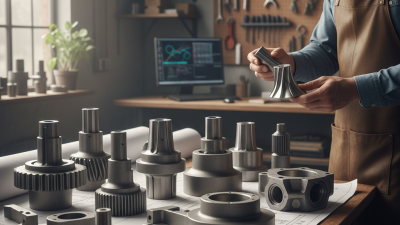
Gravity Casting is a pivotal method in the manufacturing industry, especially for metal components. This technique uses gravity to facilitate the pour of molten metal into molds. According to market research, the global gravity casting market is projected to reach $25 billion by 2026. This growth highlights the increasing demand for precision and quality in casting processes.
Many industries, such as automotive and aerospace, benefit from Gravity Casting. The process allows for the creation of intricate designs with consistent quality. It is known for producing parts with fewer defects compared to other casting methods. However, the initial setup costs can be high. Companies must weigh the benefits against these challenges.
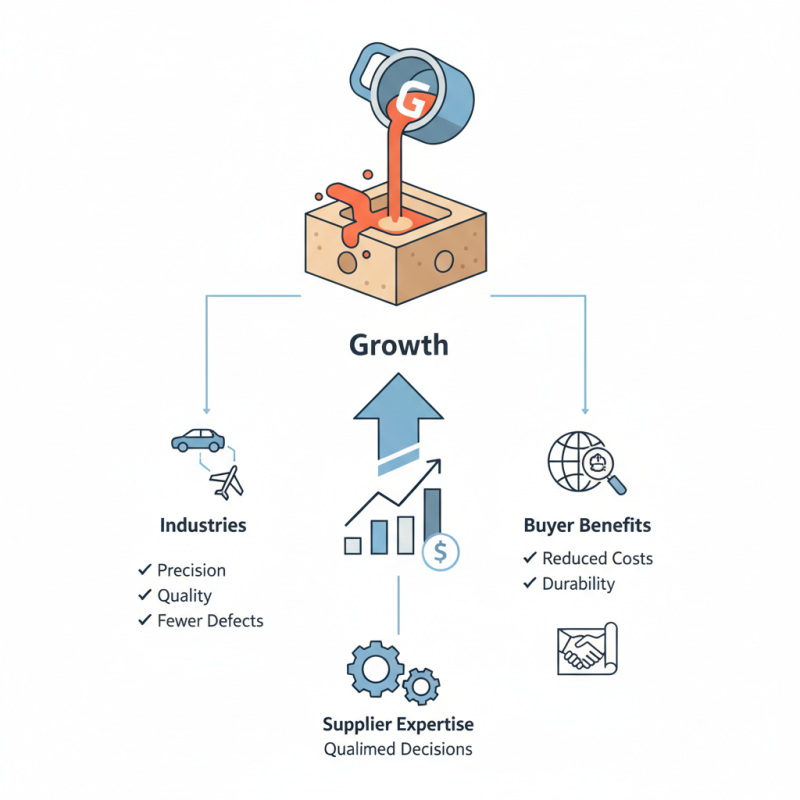
As global buyers look for reliable suppliers, the advantages of Gravity Casting become clear. Reduced production costs and enhanced product durability are enticing. However, buyers should consider supplier expertise and quality assurance. In the end, informed decisions lead to better outcomes in sourcing Gravity Cast parts.
What is Gravity Casting?
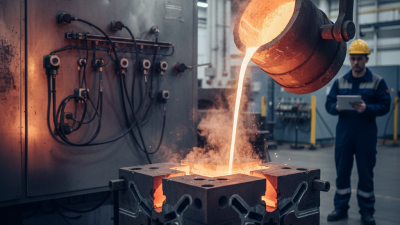
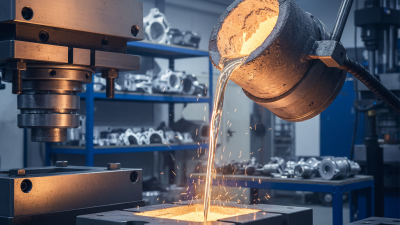
Gravity casting is a popular metal casting technique used in manufacturing. This method involves pouring molten metal into a mold under the influence of gravity. It ensures that the metal fills every cavity in the mold, creating intricate shapes and designs. This process is particularly effective for producing large and complex parts with a high-quality surface finish.
One notable advantage of gravity casting is its efficiency. This method allows for rapid production cycles. Moreover, it minimizes waste, resulting in cost savings for manufacturers. However, achieving optimal results requires meticulous attention to detail. Poor mold design or improper metal temperature can lead to defects. Buyers must understand these potential pitfalls before selecting gravity casting for their projects.
The versatility of gravity casting can open new opportunities for global buyers. From automotive components to intricate artistic designs, its applications are diverse. However, evaluation of each project’s unique needs is crucial. Not every casting will fit into this process seamlessly. Buyers should weigh the pros and cons carefully to make informed choices.
The Process of Gravity Casting Explained
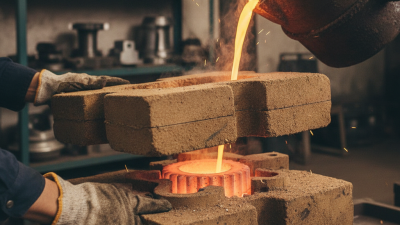
Gravity casting is a precise metal forming process that leverages gravity to fill molds. This technique primarily utilizes metal alloys, offering excellent dimensional accuracy and surface finish. The process involves pouring molten metal into a mold that is positioned vertically. As the metal fills the cavity, gravity ensures an even distribution. Industry data suggests that gravity casting can achieve a dimensional tolerance of ±0.5 mm, making it a preferred choice for components requiring high precision.
One of the significant benefits for global buyers is the reduction in manufacturing costs. According to a market analysis report, implementing gravity casting can lower production costs by up to 30% compared to traditional methods. The reduced energy consumption in the melting and pouring phases also contributes to cost-efficiency. However, buyers must consider potential limitations, such as the complexity of mold design. This can increase initial setup costs. Additionally, not all alloys are suitable for gravity casting, which limits material choices.
Moreover, gravity casting is environmentally friendly. With manageable material waste and recyclable qualities, it aligns with sustainability goals. However, the process demands meticulous quality control to prevent defects such as air entrapment. Continuous improvement in technology can mitigate these issues. Buyers should remain aware of the inherent challenges while evaluating the long-term advantages of gravity casting for their production needs.
Benefits of Gravity Casting for Global Buyers
Gravity casting is a process that offers several advantages for global buyers. This method allows for the production of precise and complex metal components. Unlike other casting techniques, it often results in fewer defects. The strong dimensional accuracy makes it attractive for industries like automotive and aerospace. Buyers can achieve high-quality products that meet stringent requirements.
Tips: When selecting a gravity casting supplier, ensure they have the right certifications and experience. Check their quality control processes to avoid potential pitfalls. A qualified partner can enhance your supply chain efficiency.
Another benefit of gravity casting is its cost-effectiveness for large production runs. The reduced waste and improved cycle times help buyers save money. It minimizes the energy consumption often associated with more traditional casting methods. This approach is sustainable, appealing to environmentally conscious buyers.
Tips: Always ask your supplier about the materials they use. Understanding the raw materials can prevent issues later. Transparency in material sourcing can lead to better long-term relationships.
Applications of Gravity Casting in Various Industries
Gravity casting is an innovative manufacturing process used across many industries. This technique involves pouring molten metal into a mold, allowing gravity to fill the cavity. It results in precise, high-quality components. Manufacturers appreciate its ability to create complex shapes with less waste.
In the automotive industry, gravity casting is vital. Companies produce engine blocks and transmission cases this way. The process ensures strength and reliability.
Additionally, the aerospace sector benefits significantly. Components made through gravity casting are lightweight yet durable. These traits are crucial for enhancing fuel efficiency and performance.
Moreover, the electrical and consumer goods sectors utilize gravity casting. It enables the production of intricate housings for devices, ensuring safety and effectiveness. However, challenges exist. Achieving the best surface finish can require additional processing. This inconsistency may lead to higher costs and longer lead times. Buyers must assess these factors when considering gravity casting options.
Comparative Analysis: Gravity Casting vs. Other Casting Methods
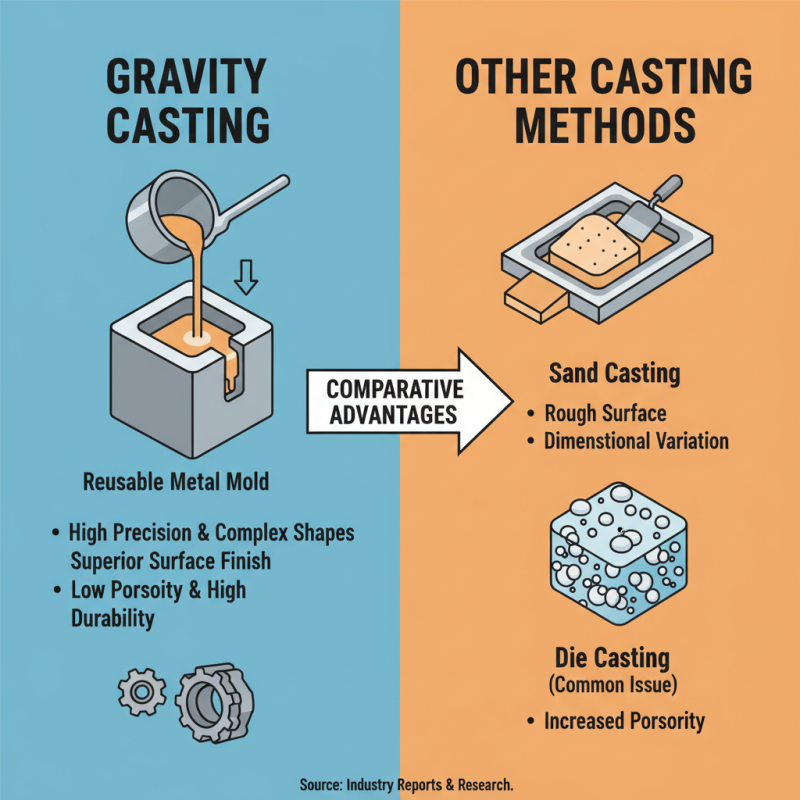
Gravity casting stands out among various casting methods due to its effectiveness in producing complex shapes with high precision. Unlike sand casting, which often leads to surface imperfections, gravity casting utilizes gravity to facilitate metal flow into molds, leading to better finish quality and dimensional accuracy. Reports indicate that components made through gravity casting exhibit less porosity, making them more durable and reliable.
One key advantage is its cost efficiency for high-volume production. According to industry analysis, gravity casting can reduce material waste by up to 30% compared to other methods, like die casting. This reduction not only saves costs but also promotes sustainability. Buyers looking to decrease expenses while maintaining quality often find gravity casting an appealing option.
Tip: Always consult with specialists about the material selection for gravity casting. Different materials can significantly affect the final product's properties.
Reflecting on its limitations, gravity casting might not be suitable for very thin-walled components or extremely complex designs. Such projects may require alternative methods, like investment casting. Assessing the trade-offs can lead to better decision-making for buyers focused on optimizing performance and cost.

 +86-13516964051


 CONTACT NUMBER
 CONTACT NUMBER