China Top 10 Aluminum Pouring Manufacturers?
China’s aluminum industry combines large-scale capacity with increasingly specialized foundry technology. This article examines China’s Top 10 Aluminum Pouring manufacturers through practical criteria, not promotional claims. The review considers pouring methods, alloy control, furnace stability, mold compatibility, production capacity, quality systems, and export experience. It also looks at whether each manufacturer can support prototypes, repeat orders, and demanding industrial applications.
John Campbell, a respected authority on casting technology, wrote, “The quality of a casting is determined by the quality of the liquid metal.” That principle remains highly relevant. During Aluminum Pouring, temperature changes of only a few degrees can influence fluidity, shrinkage, and surface quality. Experienced manufacturers monitor melt cleanliness, degassing, pouring speed, and holding time. These details often separate a dependable supplier from a merely attractive website.
The ranking should not be treated as an absolute verdict. No single factory is ideal for every project. Some manufacturers may excel in automotive components, while others perform better with machinery parts, architectural products, or low-volume development work. Buyers should verify certifications, inspection records, equipment lists, and recent customer references before making a decision. Website information can be incomplete. That deserves attention.
This guide therefore presents a balanced starting point for supplier comparison. It highlights manufacturing experience, technical capability, communication quality, and evidence of consistent delivery. Readers should still request samples, drawings, process details, and clearly defined acceptance standards. A careful review may take longer, but it can prevent costly surprises after production begins.
What Is Aluminum Pouring and Why China Matters
China Top 10 Aluminum Pouring Manufacturers?
What Is Aluminum Pouring and Why China Matters
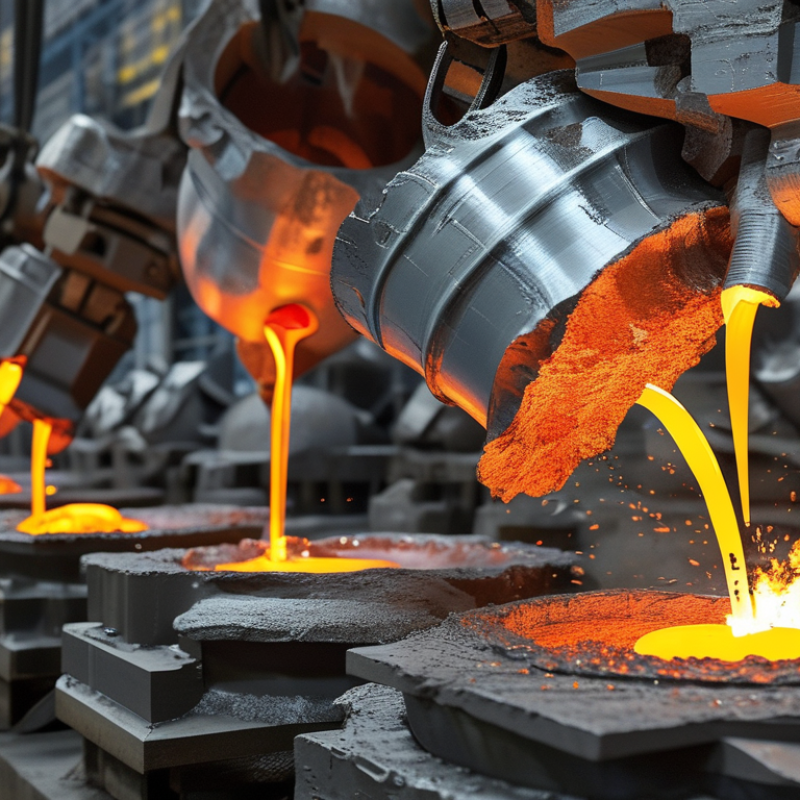
Aluminum pouring is the controlled transfer of molten aluminum into a prepared mold. The metal melts at about 660°C, but pouring temperatures vary by alloy and casting method. Gravity casting, sand casting, and pressure-assisted processes each affect surface finish, strength, and internal porosity. Small details matter, especially around vents, gates, and cooling channels.
China matters because its aluminum ecosystem operates at exceptional scale. The U.S. Geological Survey’s Mineral Commodity Summaries 2024 estimated China produced about 41 million metric tons of primary aluminum in 2023. That represented more than half of global output. The International Aluminium Institute also reported global primary production above 70 million tonnes that year. This scale supports nearby suppliers for alloys, molds, machining, testing, and logistics.
Scale is not proof of quality. A low quotation may hide weak process control or incomplete inspection records. Experienced buyers should request chemical analysis, dimensional reports, X-ray or ultrasonic testing, and batch traceability. In my view, this is where supplier comparisons become difficult. Catalog claims often sound stronger than shop-floor evidence. China offers broad manufacturing capacity, but results still depend on furnace discipline, mold design, operator experience, and honest reporting. Mistakes can happen. Reliable documentation helps reveal them early.
China Top 10 Aluminum Pouring Manufacturers? What Is Aluminum Pouring and Why China Matters
Aluminum pouring is the process of transferring molten aluminum into molds or casting equipment to create billets, slabs, castings, and other semi-finished products. China matters because it has the world's largest primary aluminum production base and a broad downstream casting supply chain.
The chart shows estimated primary aluminum production by major producing countries in 2023, measured in million metric tons. These country-level figures provide industry context and do not represent individual manufacturers or brands. Source: U.S. Geological Survey, Mineral Commodity Summaries 2024.
How to Evaluate China’s Top Aluminum Pouring Manufacturers
China Top 10 Aluminum Pouring Manufacturers?
How to Evaluate China’s Top Aluminum Pouring Manufacturers
Choosing among China’s leading aluminum pouring manufacturers requires more than comparing online rankings. A reliable evaluation begins with process evidence, not attractive photographs. Ask whether the supplier handles your alloy, casting weight, wall thickness, and required surface finish. Request recent inspection records showing dimensions, hardness, chemical composition, and porosity results. Real experience appears in measurable details.
Visit the facility when possible, either physically or through a live video audit. Observe melting furnaces, temperature controls, mold preparation, and finishing areas. Check whether each batch has a traceable material record. Qualified engineers should explain defects clearly, including shrinkage, inclusions, and air entrapment. Their answers should match the production data. Vague confidence is not enough.
Review certifications, testing capacity, export experience, and customer references from comparable projects. A sample order can reveal more than a long presentation. Measure its critical points after machining, then compare the results with the approved drawing. Communication also matters: unclear revision control can create expensive mistakes. A polished website may still hide weak inspection habits. No evaluation is perfect. I would keep a written scorecard covering quality, consistency, tooling cost, lead time, corrective action, and technical support. Some suppliers may score lower initially but improve quickly when their engineers respond with evidence rather than promises.
Top 10 Aluminum Pouring Manufacturers in China
China’s top 10 aluminum pouring manufacturers should be evaluated by process control, not publicity alone. The shortlist typically includes factories serving automotive, machinery, energy, and industrial equipment sectors. According to the USGS Mineral Commodity Summaries 2024, China produced about 41 million metric tons of primary aluminum in 2023. This scale supports a deep supplier base, but capacity does not always mean consistent casting quality.
Reliable manufacturers usually provide sand casting, die casting, gravity casting, or low-pressure casting. They should also show spectrometer testing, heat-treatment records, dimensional inspection, and traceable batch numbers.
The International Aluminium Institute reported global primary aluminum production of approximately 70.6 million tonnes in 2023. Buyers should therefore examine alloy control and energy management, not only factory size.
A practical top-10 comparison should include defect rates, mold experience, delivery performance, export documentation, and independent audit results. Rankings can change quickly. That is a weakness worth admitting.
Tips:
Request three recent inspection reports and one sample casting before signing a large order. Check porosity, surface finish, hardness, and machining allowance. Ask how rejected parts are recorded. A factory that hides defects may create greater costs later. Also, confirm whether quoted prices include tooling, testing, packaging, and transport. Cheap offers can become expensive after revisions. Experience still matters, but measurable evidence matters more.
How to Choose the Right Chinese Manufacturer
China Top 10 Aluminum Pouring Manufacturers?
Choosing a Chinese aluminum manufacturer requires more than comparing a ranked list. A capable supplier should explain its alloy options, casting method, furnace capacity, and quality controls in clear language. Ask for recent sample reports, dimensional records, and material certificates. Check whether those documents match your actual part requirements. A vague answer deserves caution.
Request a video tour or arrange an independent factory audit. Look for clean melting areas, labeled material storage, calibrated measuring tools, and trained operators. Review how the factory controls pouring temperature, mold preparation, porosity, and surface defects. Ask for the inspection plan before production starts. Your part drawings should include tolerances, alloy grades, weight limits, and acceptable cosmetic marks.
Communication matters during difficult moments. Ask how the supplier handles rejected samples, delayed tooling, or changing specifications. A reliable manufacturer reports problems early, instead of hiding them behind attractive promises. Verify production capacity with purchase records, equipment lists, and realistic lead times. A large workshop is not automatically a better partner. Smaller facilities may offer closer engineering support, but their backup capacity could be limited.
No checklist is perfect. I would still begin with a small trial order, even after a convincing audit. Compare the first parts with the approved drawings and test results. Keep payment terms, inspection points, packaging details, and corrective actions in written records. Local regulatory requirements and import standards should also be confirmed before shipment.

 +86-13516964051


 CONTACT NUMBER
 CONTACT NUMBER