Leave Your Message

Top 10 Aluminum Pouring Manufacturers for Global Buyers

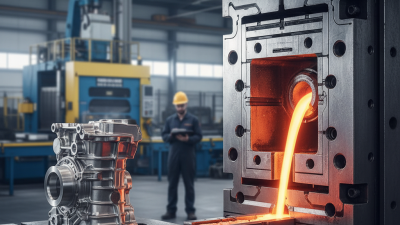
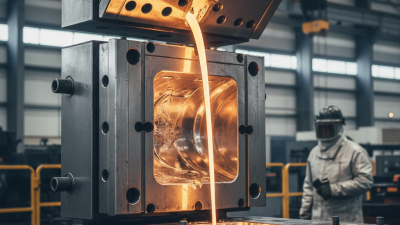
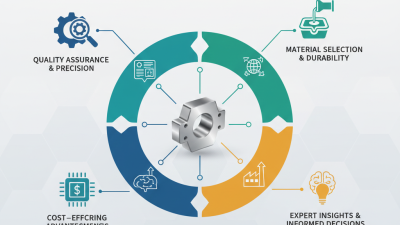
For global buyers, choosing an aluminum foundry is rarely a simple price comparison. Aluminum Pouring affects strength, surface quality, dimensional stability, and final machining costs. This guide introduces ten manufacturers serving international customers across automotive, industrial, energy, and consumer applications. Each company is assessed through practical evidence, not promotional language alone. We examine alloy options, casting methods, mold control, inspection equipment, and production capacity. Small details matter. A clean furnace log can reveal more than a glossy website.

The review also considers export packaging, technical communication, documentation, and delivery planning. Buyers should confirm whether a supplier supports sand casting, die casting, investment casting, or gravity processes. Traceability is essential for components facing heat, pressure, vibration, or repeated loads. Certifications can build confidence, but they never replace process audits or sample testing. Ask for material certificates, dimensional reports, defect records, and clear acceptance criteria. A low quotation may hide tooling changes, rework, freight exposure, or slow engineering feedback. That risk deserves attention.

No ranking fits every project. A manufacturer strong in high-volume die casting may not suit a complex prototype. Some firms communicate impressively yet provide limited production evidence. That is worth questioning. Global buyers can use this list as a starting point, then verify capabilities against drawings, annual volumes, tolerances, and destination requirements. Site visits, video audits, and independent inspections may reveal practical differences. The best choice is not always the largest supplier. It is the partner that consistently delivers safe, documented, and usable parts.
Top 10 Aluminum Pouring Manufacturers for Global Buyers

What Aluminum Pouring Manufacturers Do and Why Global Buyers Need Them

Aluminum pouring manufacturers convert molten metal into usable castings, not simple shapes. They select alloys, control furnace temperature, prepare molds, remove dissolved gas, and inspect each batch. In practice, a reliable supplier also manages drawings, tolerances, heat treatment, machining, and export packing. A casting may look clean yet contain hidden porosity. That is where process records matter.

The International Aluminium Institute reported about 70.6 million tonnes of global primary aluminum production in 2023. This scale increases demand for efficient, repeatable casting capacity. The U.S. Geological Survey also estimated roughly 70 million tonnes of primary aluminum output worldwide in 2023. Global buyers need manufacturers that can turn this material into stable components without losing traceability. Useful evidence includes chemical certificates, furnace logs, dimensional reports, and independent inspection results. These documents support quality decisions across borders.

The best supplier is not always the largest. A smaller foundry may provide closer engineering support, while a large facility may offer stronger redundancy. Buyers should compare alloy capability, annual capacity, tooling ownership, defect rates, and lead times. One detail is often overlooked: shipping protection. Poorly wrapped castings can arrive with dents, moisture damage, or mixed identification. Specifications also deserve review. An overly tight tolerance may raise cost without improving performance. That mistake is common. Supplier audits, sample runs, and corrective-action records reveal more than polished sales language.

Top 10 Aluminum Pouring Manufacturers for Global Buyers - What Aluminum Pouring Manufacturers Do and Why Global Buyers Need Them

A practical comparison of representative aluminum pouring manufacturing profiles, production capabilities, quality systems, and global sourcing relevance.

Rank Manufacturer Profile Primary Manufacturing Region Core Aluminum Pouring Processes Common Alloy Families Typical Part Size Common End-Use Sectors Value for Global Buyers
01 Profile A East Asia Permanent mold, sand casting, gravity die casting Al-Si casting alloys; heat-treatable Al-Si-Mg grades Small to medium industrial castings Automotive, machinery, pumps, electrical equipment Broad process selection and suitability for repeat production programs
02 Profile B South Asia Green-sand casting, no-bake sand casting, gravity casting Al-Si-Cu and Al-Si alloys Medium to large castings Industrial equipment, construction machinery, transport components Useful for cost-sensitive projects requiring flexible tooling and larger shapes
03 Profile C Central Europe Low-pressure die casting, permanent mold casting, sand casting Al-Si-Mg and Al-Si-Cu alloys Small to medium precision castings Automotive systems, mobility, industrial automation Strong focus on dimensional control, traceability, and engineering documentation
04 Profile D Southern Europe Gravity die casting, sand casting, low-pressure casting Al-Si, Al-Si-Mg, and corrosion-resistant aluminum alloys Small to medium castings with complex geometry Food equipment, marine hardware, machinery, building systems Suitable for corrosion-aware designs and visually demanding components
05 Profile E North Asia High-pressure die casting, vacuum-assisted die casting Ductile Al-Si-based die-casting alloys Thin-wall small to medium components Automotive, electronics housings, consumer equipment High output potential for repeatable parts with reduced machining requirements
06 Profile F North America Sand casting, permanent mold casting, investment-style aluminum casting Al-Si-Mg and heat-treatable Al-Si-Cu grades Prototype, replacement, and medium-volume components Aerospace support, defense supply, industrial machinery, energy equipment Strong fit for technical projects requiring close communication and engineering support
07 Profile G Middle East and Anatolia Sand casting, gravity die casting, permanent mold casting General-purpose Al-Si and Al-Si-Cu alloys Medium to large structural and machine parts Pumps, valves, agriculture, construction, industrial machinery Convenient sourcing option for regional logistics and heavy-duty castings
08 Profile H North Africa Sand casting, gravity casting, basic permanent mold production Al-Si and Al-Si-Cu alloy families Small to large non-pressure castings General engineering, building services, agricultural equipment Can support regional supply chains and lower-complexity casting programs
09 Profile I Southeast Asia High-pressure die casting, gravity die casting, machining integration Al-Si die-casting alloys and heat-treatable grades Small to medium high-volume components Consumer electronics, motorcycles, appliances, automotive parts Useful for production outsourcing, secondary machining, and assembly programs
10 Profile J Eastern Europe Sand casting, gravity die casting, prototype and low-volume casting Al-Si-Mg, Al-Si-Cu, and general engineering alloys Prototype to medium-size production parts Rail, machinery, energy systems, industrial automation A practical option for European delivery routes and flexible batch sizes
Buyer verification note: The profiles above describe established aluminum pouring processes and common market capabilities without identifying companies or brands. Buyers should verify each supplier’s actual equipment, alloy specifications, quality certifications, inspection records, tooling ownership, minimum order quantity, production capacity, and export documentation before placing an order.

How to Evaluate Aluminum Pouring Manufacturers by Process and Capability

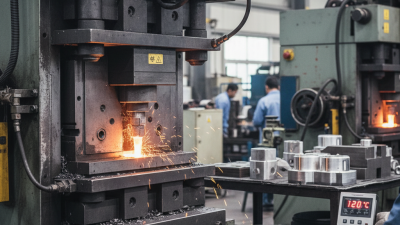
When global buyers compare aluminum pouring manufacturers, the process matters more than a polished catalog. Ask whether the supplier uses gravity casting, low-pressure casting, or pressure casting for your geometry. Each method affects porosity, surface finish, tolerance, and tooling cost. Request process records, not only sample photographs. A reliable manufacturer should explain alloy control, melt temperature, degassing, mold preheating, and cooling practice. Details reveal experience. A controlled melt log should show temperature readings at defined stages. Vague answers deserve a second review.

Capability also means repeatability. Check furnace capacity, maximum part dimensions, machining equipment, inspection tools, and monthly production range. Review tensile, hardness, dimensional, and leak-test reports from comparable parts. Ask how defects are classified and corrected. A capable team will discuss rejected castings openly. Perfect claims can be less convincing. During a factory audit, observe material labeling, storage, operator training, and traceability from ingot to shipment. Confirm whether engineers can improve wall thickness, draft angles, and feeding design before tooling begins. Poor design feedback can create expensive rework.

Tips: Send a controlled drawing, alloy specification, annual volume, and critical dimensions. Ask for a pilot run before full production. Compare actual cycle times with quoted figures. Keep one approved sample for future inspection. Do not judge quality from a bright surface alone; internal porosity may remain hidden. If possible, use independent testing for the first batch. This adds cost, but it may expose assumptions early.

Top 10 Aluminum Pouring Manufacturers for International Sourcing

Top 10 Aluminum Pouring Manufacturers for Global Buyers

For international sourcing, the top ten aluminum pouring manufacturers should be judged beyond production volume. Reliable suppliers typically provide casting, mold design, machining, inspection, and export support. Their workshops should show controlled melting areas, calibrated furnaces, and traceable material storage. Ask for alloy certificates and recent dimensional inspection records. A clear answer matters more than a polished website.

Experienced buyers should compare pouring methods, including sand casting, gravity casting, and die casting. Each method affects surface finish, wall thickness, tooling cost, and delivery time. Request sample parts with visible measurement points. Check whether the supplier understands your drawings, tolerances, packaging needs, and destination requirements. A factory may offer a low unit price, yet weak process control can create expensive rework. That risk is easy to underestimate.

Tips: Build a small trial order before signing a large contract. Confirm lead times in writing. Review defect limits, inspection responsibility, and replacement procedures. Ask for production photos, but do not treat photos as proof. An on-site audit or independent inspection is stronger. Also examine communication speed across time zones. Delayed answers often become delayed decisions. No supplier is perfect. Even capable manufacturers can miss a tolerance or underestimate shipping disruption, so keep contingency time and review every assumption.

Comparing Quality Standards, Production Capacity, and Industry Expertise

Top 10 Aluminum Pouring Manufacturers for Global Buyers

Comparing Quality Standards, Production Capacity, and Industry Expertise

Selecting among the top ten aluminum pouring manufacturers requires more than comparing prices. Quality begins with controlled alloy chemistry, stable furnace temperatures, and documented inspection procedures. Reliable facilities usually maintain ISO 9001 systems and follow relevant ASTM, EN, or customer-specific requirements. However, certification alone cannot prove consistent casting performance. Buyers should request recent inspection records, sample reports, and traceability details for each production batch.

Production capacity also needs careful examination. A large facility may offer several furnace sizes, automated molding lines, and flexible machining support. These resources can reduce delays when orders increase. Yet advertised capacity may reflect ideal conditions, not normal monthly output. Ask about current utilization, tooling availability, minimum order quantities, and typical lead times. Small details matter. A factory with fewer lines may still deliver better results through disciplined scheduling and responsive communication.

Industry expertise separates capable manufacturers from merely equipped suppliers. Experienced teams understand shrinkage, porosity, inclusions, mold design, heat treatment, and alloy selection. They use tools such as spectrometers, X-ray inspection, and casting simulation where appropriate. Practical evidence matters more than polished presentations. Review similar applications, engineering feedback, corrective-action records, and pilot-run results. No manufacturer is perfect, and even strong suppliers may show occasional defects. The important question is whether they identify causes honestly and improve the process.

How Global Buyers Can Select the Right Aluminum Pouring Partner

Selecting an aluminum pouring partner requires more than comparing prices on a supplier list. Review their experience with your alloy, casting weight, wall thickness, and expected annual volume. Ask for recent production samples, not only polished catalog images. A serious manufacturer should explain furnace control, mold preparation, pouring temperature, and cooling methods in clear terms.

Inspect the evidence. Request material certificates, dimensional reports, and heat-treatment records for comparable orders. Traceability should connect each batch to furnace logs and inspection results. If possible, arrange a video audit or visit the production floor. Look for calibrated instruments, organized patterns, clean work areas, and workers who understand defect prevention. Spectrometer testing and X-ray inspection may be important for safety-critical components. Match testing to actual risk.

Communication is part of quality. Can the team answer technical questions without hiding behind vague promises? Confirm lead times, minimum quantities, packaging, tooling ownership, and corrective-action procedures in writing. A trial order can reveal more than a long sales presentation. Check how they handle porosity, shrinkage, or a dimensional failure. No audit is perfect. I once focused too heavily on equipment and overlooked slow engineering feedback. That mistake delayed approval. A reliable partner should share process limits honestly, even when the answer is inconvenient. Their pricing should also explain energy costs, machining allowances, finishing, and inspection charges. Hidden assumptions create expensive surprises.

Top 10 Aluminum Pouring Manufacturers for Global Buyers

How Global Buyers Can Select the Right Aluminum Pouring Partner

Representative pouring-temperature windows commonly used for aluminum casting alloys. Actual settings depend on alloy chemistry, casting method, tooling, section thickness, and quality requirements.