+86-13516964051


Choosing the right Abs Pump starts with fitment, not price. The pump and hydraulic control unit must match your vehicle’s VIN, braking configuration, and electronic control system. A connector that looks identical can still hide different software or valve specifications. Small differences matter.
NHTSA’s 1996 evaluation by Charles J. Kahane reported differing ABS effects across crash types. For passenger cars, it estimated an 18% reduction in fatal multi-vehicle crash involvement, alongside a 28% increase in fatal single-vehicle crash involvement. Kahane’s analysis offers a useful caution: ABS results should be judged by crash type, not one headline figure. These historical findings do not predict the performance of a replacement pump, but they show why component choice deserves care.
Before buying, confirm the exact part number against the manufacturer’s catalog or a trusted parts database. Ask whether the unit is new, remanufactured, or used, and whether it includes the control module. Check warranty terms, return conditions, and required diagnostic programming. The VIN is a good start, not a guarantee. A qualified technician can verify compatibility and inspect fault codes, wiring, and brake-fluid condition before installation. Do not overlook those checks. The right Abs Pump is the one that fits the vehicle’s verified specifications and can be properly tested after installation.
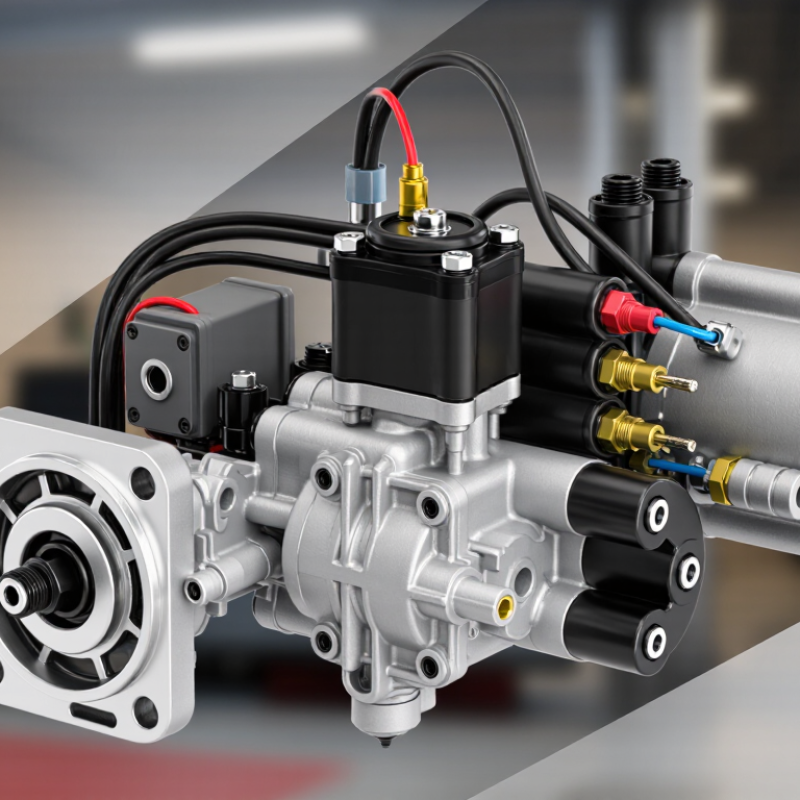
An ABS pump is part of the hydraulic control unit in a vehicle’s braking system. It works with wheel-speed sensors and an electronic control module. When one wheel begins locking, the system detects a sudden speed change. It then adjusts brake fluid pressure within milliseconds. The pump restores pressure after the valve releases it. This allows the wheel to keep rotating during hard braking. Steering control can remain more stable on wet or uneven roads.
A practical inspection should begin with the vehicle’s exact system specifications. Check the hydraulic layout, electrical connector, operating pressure, and control-module compatibility. A pump that physically fits may still communicate incorrectly with the vehicle. That mistake can trigger warning lights or disable ABS assistance. Read stored fault codes before replacing any part. Low fluid, damaged wiring, air, or contamination can create similar symptoms. The pump may not be the real problem.
Look for clean ports and an undamaged connector. Rust around the terminals deserves attention. After installation, the brake system usually needs a precise bleeding procedure. Some systems require electronic activation during bleeding. Follow the service information rather than guessing. I would not judge a pump by noise alone. A quiet unit can still deliver weak pressure. A loud unit may reflect trapped air or restricted fluid flow. That detail is easy to overlook. If test results remain unclear, a qualified technician should verify pressure and sensor data with suitable diagnostic equipment. The correct choice depends on measured requirements, not appearance or price alone.

Choosing the right ABS pump starts with identifying the vehicle’s exact braking requirements. The pump is not a universal part. Its hydraulic pressure, electrical connector, software, and sensor communication must match the vehicle.
Record the vehicle identification number, model year, engine, drivetrain, and steering position. Then compare the original unit’s part number, connector shape, mounting points, and brake-line layout. A professional scan tool can reveal pump motor faults, valve errors, and communication failures. However, fault codes are clues, not final proof. I have seen weak batteries create misleading ABS warnings during diagnosis.
Inspect the brake fluid closely. Dark fluid, moisture, or metal particles may indicate damage beyond the pump. The replacement must also support the vehicle’s required bleeding and calibration procedures. Some systems need electronic initialization after installation. Skipping that step can leave a firm pedal but an inactive safety system.
Industry data shows why accuracy matters. The Insurance Institute for Highway Safety reported a 22% reduction in fatal motorcycle crash rates when ABS was fitted. NHTSA recorded 40,901 U.S. traffic fatalities in 2023, highlighting the importance of dependable braking equipment. These figures do not prove that replacing every pump improves safety. They do show why compatibility and testing deserve careful attention.
Do not select by appearance alone. A similar housing can hide different pressure settings or software. When records are incomplete, verify the hydraulic diagram and consult qualified technical documentation. Guessing is expensive.
| Requirement to Check | What to Identify | Why It Matters | How to Verify |
|---|---|---|---|
| Vehicle identification | Vehicle identification number (VIN), model year, make, model, engine, and market specification. | ABS configurations can vary within the same model line and may change by production date or sales market. | Use the VIN and vehicle build information in a reliable parts catalog; confirm against the vehicle itself. |
| Existing unit identification | Part or assembly number, manufacturer markings, and any supersession number on the original unit. | Matching the original unit’s identifiers helps distinguish assemblies that look similar but have different specifications. | Read the label or stamped number on the unit. Confirm any replacement or supersession number with a parts catalog. |
| ABS and stability features | Whether the vehicle has ABS only, electronic brake-force distribution, traction control, or electronic stability control. | The hydraulic unit and electronic control functions must support the features installed on the vehicle. | Check the owner’s manual, vehicle build data, dashboard indicators, and diagnostic scan-tool information. |
| Hydraulic configuration | Number and arrangement of brake-line ports, mounting points, and hydraulic circuit connections. | Incorrect port layouts or circuit configurations may prevent installation or cause improper brake operation. | Compare the replacement with the original unit and verify the specified configuration in service information. |
| Electrical connections | Connector shape, pin count, wiring layout, and power and ground requirements. | A connector that appears similar may have different pin assignments or electrical compatibility. | Compare connector details and wiring diagrams; do not rely on appearance alone. |
| Software and calibration | Required control-module programming, coding, configuration, or calibration procedures. | Some replacement units require vehicle-specific setup before the ABS and related functions operate correctly. | Check the vehicle’s service procedures and confirm that the required diagnostic equipment and software are available. |
| Installation condition | Whether the unit is new, remanufactured, or used, and what components or tests are included. | Condition, included components, and testing standards affect suitability and installation planning. | Review the supplier’s specifications, warranty terms, included parts, and documented testing information. |
| Brake-system service | Required brake-fluid type, bleeding sequence, and any scan-tool-assisted bleeding procedure. | Air trapped in the hydraulic unit can reduce braking performance; the correct procedure depends on the vehicle. | Follow the vehicle manufacturer’s service information and use the specified brake fluid and bleeding method. |
| Final compatibility check | Agreement between vehicle data, unit identifiers, hydraulic layout, connectors, and required functions. | Checking multiple identifiers reduces the risk of selecting an incompatible pump assembly. | Confirm compatibility with a qualified parts specialist or repair professional before purchase and installation. |
Choosing an ABS pump starts with the vehicle’s exact configuration, not just its model year. Compare a complete hydraulic control unit with a pump motor replacement: the complete unit may include valves and electronic controls, while a motor-only part suits fewer faults. Check the VIN, original part number, connector shape, mounting points, hydraulic port layout, and system voltage. Fit matters most.
Compatibility is more than a physical match. Confirm whether the replacement works with the vehicle’s control module, wheel-speed sensors, and required bleeding procedure. Some systems need a scan tool to cycle internal valves during bleeding; trapped air can leave a soft pedal. Small details count.
NHTSA’s 2009 analysis of ABS crash outcomes reported reduced fatal-crash involvement of about 6% for passenger cars and 8% for light trucks. That supports treating correct ABS operation as a safety-critical repair, not a parts swap.
Compare specifications such as rated voltage, connector pinout, pressure capability, and whether the unit is new or remanufactured. Ask for test documentation and warranty terms, and check for diagnostic codes before ordering. A matching number can still mislead if the vehicle has a different brake package.
I would verify the label and service information twice; it takes minutes, and errors are costly.
Choosing the right ABS pump starts with verified compatibility. Match the pump to the vehicle’s model year, engine, braking system, and hydraulic configuration. A similar-looking unit may still use different pressure settings or electrical connections. Check the identification number against reliable service data, not only online photographs.
Quality affects safety and long-term cost. A new pump usually offers the most predictable performance, while a professionally remanufactured unit may reduce expenses. Ask whether it was pressure-tested, electronically inspected, and covered by a written warranty. Vague testing claims deserve caution. The lowest price is rarely the complete cost.
Installation also requires careful planning. The brake system may need fluid replacement, line bleeding, sensor checks, and electronic calibration after fitting. Some vehicles require diagnostic equipment to initialize the replacement pump. Include labor, brake fluid, programming, and possible corrosion around fittings in the estimate. I once underestimated seized brake lines during a repair assessment. That mistake changed the final budget. A qualified technician should follow the vehicle’s service procedure and confirm pedal firmness, warning-light behavior, and fault-code status before road testing. Keep the old unit until the replacement works correctly.
When comparing ABS pumps, look beyond the purchase price and check what maintenance the unit requires. Service needs vary by vehicle and pump design, so confirm the exact part number against reliable vehicle documentation. Ask whether the pump can be serviced separately or must be replaced as an assembly. That affects both labor and future parts availability.
Not always.
Brake fluid condition matters. Contamination can damage hydraulic components, while electrical faults may trigger similar warning lights. A qualified technician can use diagnostic equipment to identify the cause before a pump is ordered. After installation, the system may need a scan-tool-guided bleeding procedure.
Small details count.
Supplier reliability is just as important as the pump itself. Ask how units are tested, whether serial numbers are traceable, and what the warranty covers. Check that technical support can confirm compatibility and advise on installation requirements. I would not treat a polished product listing as proof of quality. Request clear documentation, realistic delivery estimates, and a straightforward returns process. If answers are vague, pause before buying; delays are frustrating, but an incompatible pump can cost more in labor and downtime.