How to Select the Right Engineering Castings for Your Project?
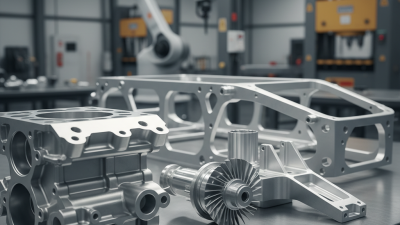
Selecting the right engineering castings for a project is crucial for success. Engineering castings are foundational components in many industries. The choice impacts durability, performance, and cost. Understanding the characteristics of various materials is key to making informed decisions.
One must consider factors like weight, strength, and corrosion resistance when selecting engineering castings. Each project has unique requirements. A misstep can lead to project delays or budget overruns. It's important to consult with experts and review supplier reliability.
Moreover, not all manufacturers are equal. Some offer specialized knowledge, while others may lack experience. Research and due diligence can save both time and resources. Engaging with experienced professionals ensures a clearer understanding of potential drawbacks. Making the right choice in engineering castings ultimately shapes the project's trajectory.
Importance of Material Selection in Engineering Castings
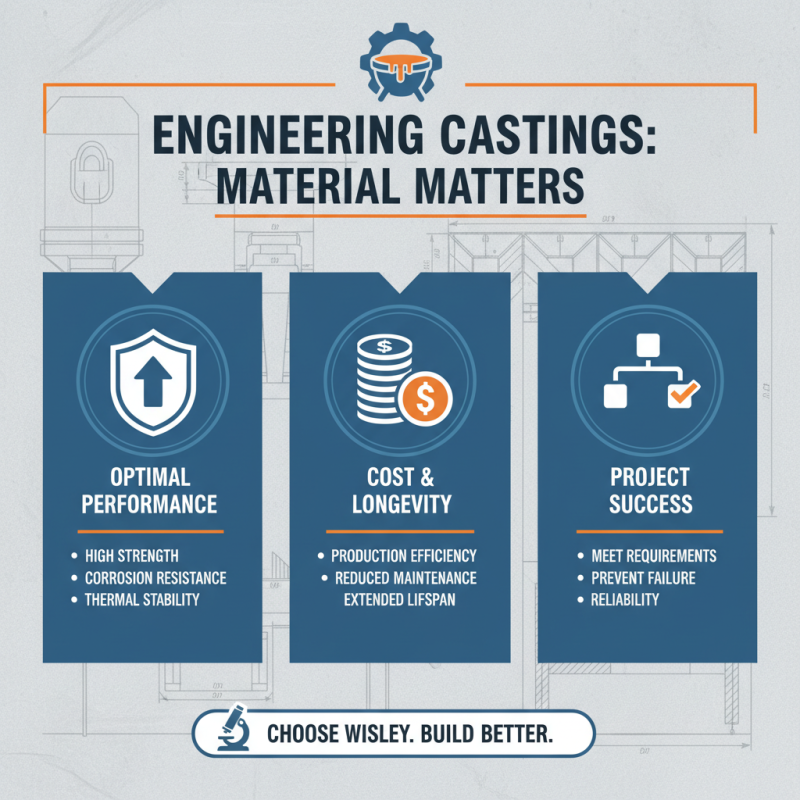
Selecting the right material for engineering castings is crucial. Materials affect performance, cost, and longevity. Different projects require different properties. For instance, your project may need high strength, corrosion resistance, or thermal stability. Understanding these properties is essential for successful outcomes.
Consider the environment where the casting will be used. High temperatures may deform softer metals. In contrast, some alloys withstand extreme conditions better than others. Make sure to analyze these factors during the selection process. This is where many professionals stumble; they often overlook the significance of the environment. It can lead to failures down the line, making it vital to address this upfront.
Additionally, not all materials are readily available. Supply chain issues can arise, affecting project timelines. Sometimes, engineers settle for alternatives that do not meet original specifications. This compromises quality and performance. Regularly reevaluating material choices based on current market conditions can prevent pitfalls. Balancing performance with availability is fundamental for any engineering project.
Key Casting Processes and Their Impact on Project Specifications
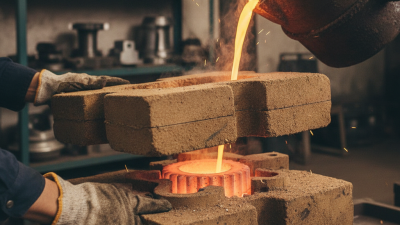
Selecting the right engineering castings requires a deep understanding of casting processes. Each method plays a crucial role in defining project specifications. For instance, sand casting is versatile and cost-effective. It’s suitable for low to medium volume production. However, it may not always provide the precision required for intricate designs.
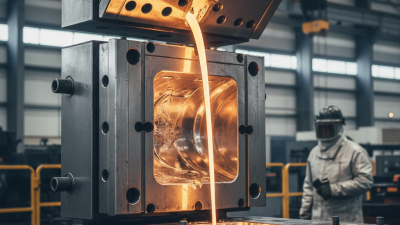
Investment casting, on the other hand, offers high dimensional accuracy. This is essential for projects demanding tight tolerances. Yet, it involves a more complex setup and higher costs. Understand the trade-offs inherent in each process. The right choice depends on your project’s specific needs.
Evaluate factors such as material characteristics, production volume, and desired finish. These elements impact performance and longevity. Sometimes, compromises are necessary. Many projects suffer from underestimating the importance of the casting process. This oversight can lead to issues like increased costs or delays. Keep these considerations in mind when making your selection.
How to Select the Right Engineering Castings for Your Project?
| Casting Process |
Material |
Typical Applications |
Advantages |
Limitations |
| Sand Casting |
Aluminum, Steel, Iron |
Automotive parts, Machinery components |
Cost-effective for low volumes, flexible in design |
Lower dimensional accuracy, surface finish quality varies |
| Die Casting |
Zinc, Aluminum, Magnesium |
Consumer electronics, Automotive parts |
High precision, excellent surface finish |
Higher initial setup costs, limited to non-ferrous alloys |
| Investment Casting |
Stainless Steel, Alloy Steel |
Aerospace, Medical equipment |
Excellent dimensional accuracy, complex geometries |
More expensive, longer lead times |
| Centrifugal Casting |
Cast Iron, Steel |
Pipes, Cylinders |
Uniform density, minimal defect rates |
Requires specific shapes, higher equipment costs |
| Shell Casting |
Iron, Steel, Aluminum |
Industrial components, Marine parts |
Good surface quality, faster cooling rates |
Limited to smaller parts, higher material costs |
Analyzing Mechanical Properties for Optimal Casting Selection
When selecting engineering castings, understanding mechanical properties is crucial. The mechanical properties include tensile strength, ductility, and hardness. Each property has a direct impact on how a casting will perform in real-world applications. For instance, a material with high tensile strength can withstand significant loads without failure. This is vital for structural applications like beams and frames.
However, not all projects require the same properties. A casting that is too brittle may fracture under stress, leading to project failure. It’s imperative to balance strength and ductility. A more ductile material may be necessary for components subject to dynamic loads or vibrations.
Evaluating materials involves testing and analysis. It can be a complex process and often requires expert input. Seek advice from experienced professionals to choose wisely. Always question if the selected material meets long-term use criteria. Adjusting specifications based on mechanical properties can save costs and enhance safety. Balancing these factors is essential for optimal results.
Understanding Cost Implications and Budget Constraints in Castings
When selecting engineering castings, understanding the cost implications is crucial. Recent industry reports indicate that the casting process can account for 30% to 60% of the total manufacturing costs in some projects. This range highlights the importance of budgeting accurately. The type of material and complexity of the design can significantly affect these costs. For example, steel castings often have lower initial costs compared to specialty alloys. Yet, their performance may vary, impacting long-term expenses.
Budget constraints often lead to difficult decisions. Going for a cheaper option may seem appealing but can result in higher maintenance costs. Data shows that poor-quality castings can lead to a 20% increase in lifecycle costs. Therefore, evaluating the quality versus cost is essential. Communicating openly with suppliers about budgets can also facilitate better options. The right castings should balance cost and performance, preventing future challenges. This reflects the need for informed decision-making in the engineering field.
Evaluating Supplier Capabilities and Quality Assurance in Casting Manufacturing
Selecting the right engineering castings is crucial for successful projects. Evaluating supplier capabilities and quality assurance practices is a key step. A reputable supplier should demonstrate experience in casting technologies and material knowledge. According to industry reports, around 40% of casting defects can be traced back to poor quality control. This underscores the importance of examining a supplier's quality assurance processes.
Tips: Always inquire about a supplier's certification. Look for ISO standards, as these indicate a commitment to quality. A reliable supplier will have comprehensive testing procedures in place. Expect detailed documentation on metallurgical properties and defect rates.
It's vital to assess a supplier's capabilities. A talented foundry should offer advanced casting methods like sand casting or investment casting. Yet, not all foundries can handle complex geometries effectively. Consider their past projects. A well-documented history of successful executions can reveal the supplier's reliability. If their track record raises questions, it’s worth investigating further.
Tips: Request samples of previous work. This can help evaluate the quality and precision of their castings. Don't hesitate to seek feedback from previous customers. Their insights can provide a clearer picture of the supplier's strengths and weaknesses.

 +86-13516964051


 CONTACT NUMBER
 CONTACT NUMBER