Leave Your Message

China Best Brake Bleeder Pump Supplier for Global Buyers

Choosing the right China Best Brake Bleeder Pump Supplier requires more than comparing prices. Global buyers need dependable tools, clear specifications, and practical support after purchase. A Brake Bleeder Pump should create stable vacuum pressure, resist brake fluid exposure, and connect securely with common bleeding adapters.

Experienced suppliers usually understand workshop conditions. They know technicians may work in tight spaces, under uneven lighting, or beside warm vehicle components. Therefore, useful details include hose flexibility, gauge readability, pump grip, seal quality, and adapter coverage. A well-designed kit can reduce air entry during maintenance and make fluid replacement more controlled.

Quality should be supported by evidence, not attractive claims. Buyers can request material information, inspection records, sample testing, packaging photos, and clear production timelines. Reliable manufacturers should explain compatibility limits honestly. Not every adapter fits every vehicle.

Small details matter.

A supplier with export experience can also provide consistent labels, manuals, and shipment documents. These points help distributors avoid confusion across different markets. However, no supplier gets everything right every time. Product feedback may reveal weak seals, unclear instructions, or packaging damage. Responsible manufacturers listen, investigate, and improve their process.

This guide examines how to evaluate Chinese Brake Bleeder Pump suppliers through product performance, factory capability, communication, and service reliability. It focuses on practical purchasing decisions rather than exaggerated promises. With careful verification, global buyers can build safer and more stable sourcing relationships.
China Best Brake Bleeder Pump Supplier for Global Buyers

Brake Bleeder Pumps: Definition, Functions, and Main Applications

China Best Brake Bleeder Pump Supplier for Global Buyers

Brake Bleeder Pumps: Definition, Functions, and Main Applications

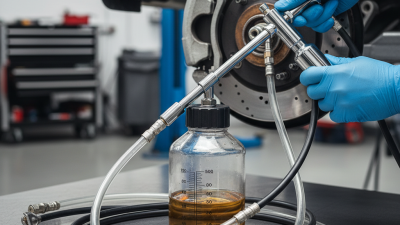
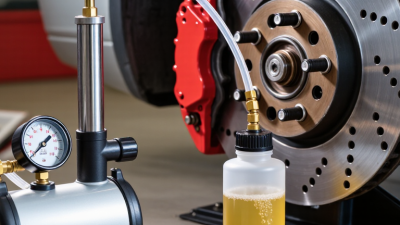
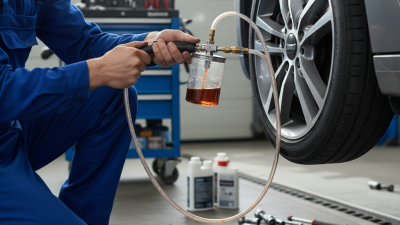
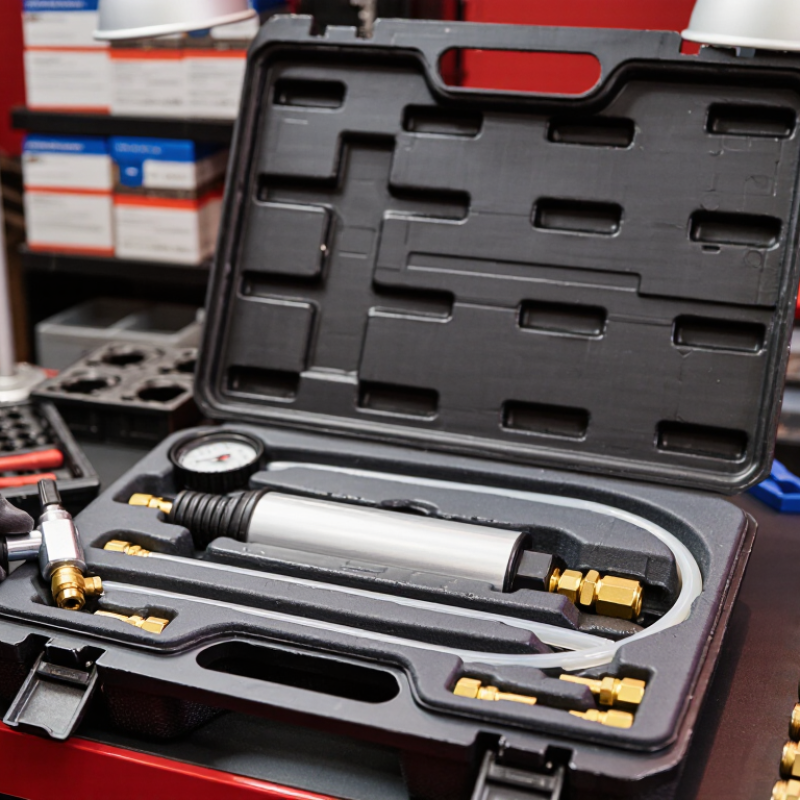
A brake bleeder pump is a hand-operated or pneumatic tool for removing air from hydraulic brake lines. It uses controlled vacuum or pressure to move old fluid through a clear hose. Air bubbles become visible during bleeding. This makes the process easier to monitor and helps reduce guesswork.

In workshop practice, technicians use these pumps on cars, motorcycles, trailers, and light commercial vehicles. They also support hydraulic clutch maintenance on compatible systems. A reliable pump should provide stable suction, a secure seal, and a fluid-resistant container.

Clear tubing matters. It allows technicians to check fluid color, bubble movement, and possible contamination. Before use, the reservoir should be cleaned and filled according to the vehicle’s service instructions.

Small details affect the result. A loose connection can pull air into the hose and imitate a brake-line problem. That mistake wastes time. The pump cannot repair damaged hoses, worn seals, or a faulty master cylinder. It only supports fluid replacement and air removal.

Technicians should inspect for leaks after bleeding and confirm a firm pedal before returning the vehicle to service. The process is not always perfect on the first attempt. Some systems need repeated bleeding, while others require a specific wheel sequence or electronic procedure.

Rushing can leave trapped air behind.
Key Features to Evaluate in a Reliable Brake Bleeder Pump Supplier

China Best Brake Bleeder Pump Supplier for Global Buyers

When evaluating a brake bleeder pump supplier, inspect performance beyond catalog claims. A reliable pump should create steady vacuum without sudden pressure loss. During workshop testing, watch the gauge while bleeding a caliper. The needle should remain stable. Leaking hoses, weak seals, or loose connectors can waste time and contaminate the work area. Ask about material choices, replacement parts, and compatibility with common bleeding adapters. Clear technical drawings also show practical engineering experience.

Quality control matters just as much. A dependable supplier should explain incoming material checks, assembly inspections, and final pressure testing. Request sample test records when possible. Traceable batches make problems easier to investigate. Communication is another important measure. Suppliers should answer technical questions directly, not hide behind general promises. Export packaging deserves attention too. A cracked reservoir or bent gauge can arrive after a long shipment. No supplier is perfect. However, honest responses to defects often reveal more reliability than polished advertising.

Tips: Test a sample under real workshop conditions. Check vacuum stability, hose flexibility, gauge accuracy, and adapter fit. Confirm documentation before placing a larger order. Small details matter. It is also wise to compare delivery consistency, warranty terms, and after-sales response time. A low price may look attractive, but repeated leakage or missing parts can create higher operating costs. Reflect on your own requirements carefully; the best supplier for one market may not suit another.

China’s Brake Bleeder Pump Manufacturing Process and Quality Control

China Best Brake Bleeder Pump Supplier for Global Buyers

China’s Brake Bleeder Pump Manufacturing Process and Quality Control

Brake bleeder pumps begin with controlled material selection and documented drawings. Aluminum bodies are machined, deburred, and washed before assembly. Rubber seals require hardness checks and dimensional inspection. Each batch receives a traceable code. This connects the finished pump to its material and operator records.

Quality control follows practical checkpoints, not visual judgment alone. Technicians test vacuum stability, pressure resistance, thread accuracy, and hose sealing. Test pressure must match the product design and application. Samples also undergo repeated pumping cycles and temperature exposure. Fortune Business Insights’ 2024 Automotive Brake System Market report estimates growth from USD 32.29 billion in 2024 to USD 49.03 billion by 2032. That expansion raises expectations for dependable service tools.

Traceability matters. Incoming parts are measured with calibrated gauges, while assembled pumps receive leak tests before packing. Export batches should include inspection records, operating instructions, and replacement-seal details. ISO 9001-based procedures can improve consistency, but certification alone cannot replace process discipline. We still review failures carefully. A perfect surface may hide a weak valve. Long-term reliability needs more than a polished sample.

China Brake Bleeder Pump Manufacturing Process and Quality Control

Reference quality-control results across key manufacturing stages for brake bleeder pumps. The indicators represent production consistency, dimensional accuracy, pressure performance, leak resistance, and final inspection compliance.

The percentages are non-brand reference values for process evaluation and are not company-specific performance claims.

How Global Buyers Can Select and Verify a Chinese Supplier

Choosing the best Chinese brake bleeder pump supplier requires more than comparing prices. A practical audit should begin with the factory’s legal registration, production address, and export experience. Request a live video tour, not only edited photographs. Watch workers assemble valves, tighten fittings, and test pressure. Small details matter.

Ask for a sample before placing a large order. Check whether the pump maintains pressure for several minutes without leakage. Examine the hose, reservoir, seals, gauge accuracy, and connection threads. Confirm compatibility with the brake fluids and vehicle systems used in your market. Request material specifications, inspection records, packaging details, and clear operating instructions. Good suppliers should answer technical questions with evidence, not vague promises.

Independent inspection can verify quantity, workmanship, labeling, and carton strength before shipment. You should also confirm production capacity during peak seasons. A low quoted price may exclude testing or stronger packaging. That mistake becomes expensive later. Verify payment details through formal company channels, and keep specifications inside a signed purchase agreement. Certifications deserve careful review; check their issuing body, scope, and validity rather than trusting a logo on a PDF.

I would not rely on one successful sample alone. Batch consistency can still fail, especially when a supplier changes seals or subcontractors. Request traceability records and periodic quality checks. Endless checking feels slow. It is usually cheaper than repairing a damaged reputation.

Ordering, Shipping, Compliance, and After-Sales Support for International Buyers

China Best Brake Bleeder Pump Supplier for Global Buyers

Ordering a brake bleeder pump from China requires more than comparing unit prices. Confirm the pump’s pressure range, reservoir capacity, hose length, connector types, and sealing materials. Request product drawings, inspection photos, and a sample before placing a larger order. A clear purchase contract should define quantity, tolerances, packaging, payment stages, and warranty terms. Small details matter.

Tips: Ask for a commercial invoice, packing list, product specifications, and accurate HS code information. Confirm whether the destination requires special markings, test records, or importer documentation. Shipping costs can change with carton size, so request both sea and air freight quotations. Use protective foam and leak-resistant packaging. One practical lesson is simple: the cheapest quote may become expensive after rework, delays, or missing documents.

Reliable after-sales support should include installation guidance, spare seals, replacement hoses, and a clear response process. Ask how faults are verified and who pays return freight for confirmed defects. A supplier should provide realistic production and shipping dates, not optimistic promises. Communication in plain English helps prevent mistakes, especially when technical terms differ. Some buyers overlook after-sales service because the pump looks simple. That is a mistake. A final pre-shipment inspection can still reveal loose fittings, uneven pressure, or damaged threads. Perfect processes are rare, so written records and careful checks remain essential.