+86-13516964051


Casting Equipment is the practical foundation behind reliable metal production. It includes furnaces, ladles, molds, melting systems, pouring devices, cooling units, and inspection tools. Each machine controls a small but critical part of the casting process. Temperature, flow speed, mold filling, and solidification all influence the final component.
Casting expert John Campbell stated, “The single most important factor in the production of quality castings is the quality of the liquid metal.” His observation explains why modern equipment must do more than melt metal. It must protect the melt from contamination, measure temperature accurately, and maintain stable pouring conditions. A well-designed furnace can reduce temperature variation. A properly balanced ladle can prevent turbulent flow. Even a clean mold surface can improve dimensional accuracy.
The process begins when metal is heated inside a furnace. Operators then transfer the liquid metal into a ladle or automated pouring system. The metal enters a prepared mold through carefully designed channels. It cools, contracts, and forms the required shape. After removal, the casting may receive trimming, heat treatment, surface cleaning, and inspection.
Small errors matter.
In real facilities, equipment rarely performs perfectly. Sensors drift. Molds absorb moisture. Operators sometimes adjust settings too late. These details deserve honest attention. Equipment selection should match the alloy, production volume, part geometry, workplace conditions, and maintenance capability. A technically advanced system is not automatically the best choice. Reliability, operator training, documented inspection, and measurable process control often matter more than impressive specifications. Understanding these limits makes Casting Equipment easier to evaluate and safer to operate.
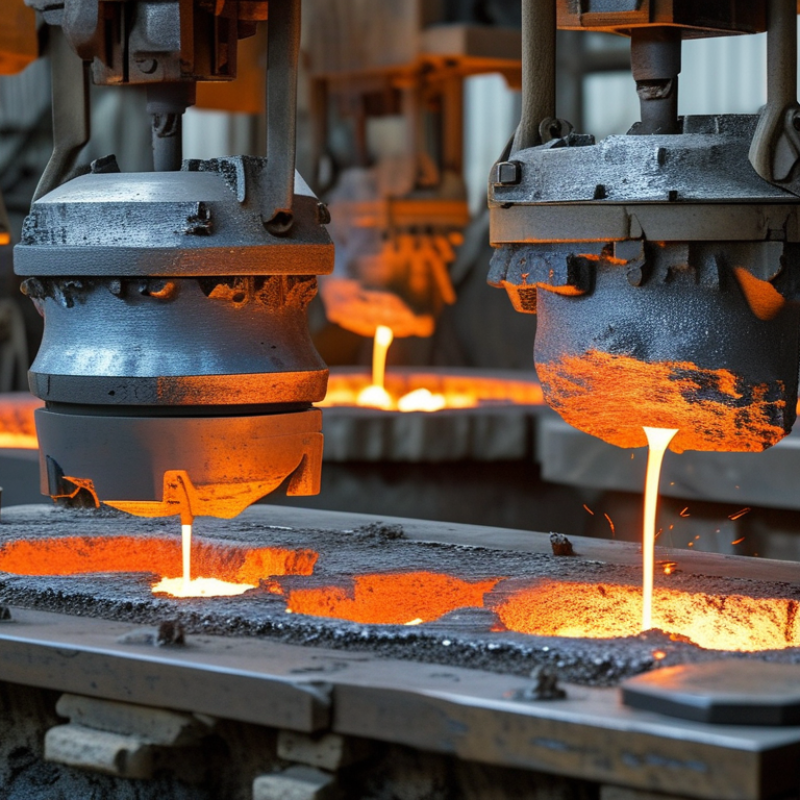
Casting equipment is the working system that turns molten metal into a shaped component. The furnace heats and holds metal at a controlled temperature. Operators monitor heat, time, and metal cleanliness before pouring. A small temperature error can cause poor filling, shrinkage, or unwanted surface defects.
The mold provides the cavity and defines the part’s shape. The runner carries molten metal from the pouring area into the cavity. A well-designed runner reduces turbulence and traps fewer air pockets.
The riser stores extra molten metal as the casting cools and contracts. Without enough riser volume, internal voids may form. The ejector then removes the solid casting, usually with pins or a mechanical plate. Excessive force can bend thin sections. This detail is sometimes underestimated.
Tips: Keep the mold dry and properly aligned. Inspect runners for cracks or blockage. Check riser placement near thicker sections. Record furnace temperature and casting results. One trial may look acceptable, yet later inspection can reveal hidden shrinkage. Review the process instead of trusting appearance alone.
What Is Casting Equipment and How Does It Work?
Metal Melting Temperatures: Aluminum at 660.3°C and Iron at 1,538°C
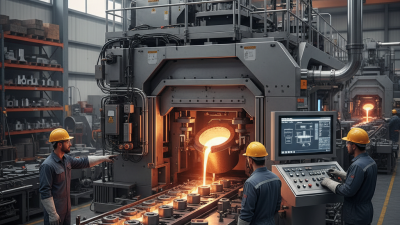
Casting equipment turns solid metal into controlled liquid, then shapes it inside a mold. A typical setup includes a furnace, crucible, thermocouple, ladle, mold, and protective equipment. The furnace supplies heat, while the thermocouple checks the actual temperature. That reading matters more than the furnace display.
Pure aluminum melts at 660.3°C. In practice, aluminum alloys may melt across a range, so operators often heat them above this point. A working temperature near 700–750°C can support smooth filling, depending on the alloy and mold. Excessive heat can increase oxidation, gas absorption, and surface defects. The metal should look fluid, not violently overheated.
Iron melts at 1,538°C when referring to pure iron. Common cast irons contain carbon and other elements, which lower their melting range. Many casting operations pour cast iron around 1,300–1,450°C, but the correct value depends on chemistry, section thickness, and mold design. Iron needs a furnace, refractory crucible, and carefully preheated tools. Cold equipment can cause thermal shock. It can also freeze metal early.
Temperature alone does not guarantee a good casting. Mold moisture, pouring speed, ventilation, and cleanliness all affect the result. A practical mistake is trusting one temperature number too much. Real alloys vary. Reliable operators verify the material specification, measure the melt directly, and inspect the finished casting for shrinkage, porosity, and incomplete filling.
Casting equipment melts metal in a furnace, transfers the liquid metal with a ladle, and pours it into a mold. The metal cools and solidifies into the mold’s shape. The chart compares the approximate melting temperatures of commonly cast metals.
Aluminum melts at 660.3°C, while iron requires a much higher temperature of approximately 1,538°C. Furnace selection, mold materials, temperature control, and safety procedures must match the metal being cast.
Casting equipment combines a furnace, ladle, mold, clamping unit, and control system. Its job is simple: melt metal, fill a cavity, and hold the shape during cooling. In practice, timing matters as much as temperature. A small delay can create cold shuts, trapped air, or uneven surfaces.
Gravity casting relies mainly on the metal’s own weight. The operator pours molten metal into a prepared mold through a sprue and runner system. Filling is relatively gentle, so the process suits larger parts and alloys sensitive to turbulence. Sand, permanent, and ceramic molds may be used. Vent design remains critical. Poor venting leaves gas pockets inside the casting. The method is flexible, but it often needs longer solidification times and more finishing work.
Die pressure casting uses a sealed metal die and a high-speed injection system. Hydraulic or mechanical force pushes molten metal into narrow sections before the metal freezes. Industrial systems can apply pressures up to 200 MPa, depending on the machine and alloy. High pressure improves detail and dimensional consistency, yet it also increases die stress, flash risk, and maintenance demands. I have seen designs fail because engineers focused on pressure alone. Gate size, melt temperature, lubrication, and air evacuation still control quality. More pressure does not automatically mean better filling. A stable process window usually matters more than a maximum rating.
What Is Casting Equipment and How Does It Work?
Casting equipment moves molten metal, shapes it, and controls its cooling inside a mold. The process may involve a furnace, ladle, mold, cooling system, and temperature sensors. Each part affects the final structure. A small delay can change the result.
Solidification control depends on reliable thermal profiles. Thermocouples selected and interpreted under ASTM E230/E230M help convert electrical signals into temperature readings. Their output can show when metal enters the mold, reaches the liquidus range, and begins forming a solid network. Operators may place sensors near the mold wall, thermal center, or known hot spots. Location matters greatly. A sensor touching the mold can report a misleadingly cold profile, while poor contact may create delayed readings. Timing matters.
A useful setup records temperature at consistent intervals and compares repeated pours. The profile should reveal cooling rate, solidification duration, and possible thermal gradients across the casting. Calibration checks, correct wire polarity, and suitable protection tubes improve confidence. However, ASTM reference values do not remove every practical error. Sensor drift, vibration, oxidation, and uneven placement still deserve attention. In real production, the cleanest graph may hide a flawed measurement. Reviewing the installation is essential. Small errors grow. Properly managed data can guide cooling adjustments, reduce shrinkage risk, and support more defensible process decisions.
Casting equipment transfers molten metal into a prepared mold, where the material cools and takes its shape. The process may include melting, pouring, core placement, shakeout, cleaning, and inspection. Accuracy depends on more than the machine. Mold condition, thermal shrinkage, metal flow, and core movement can all change the final dimensions.
ISO 8062-3 provides a structured way to specify dimensional and geometrical tolerances for castings. Its casting tolerance classes, commonly identified as CT grades, help engineers match design expectations with process capability. A tighter class usually demands better control, more inspection, or later machining. It should not be selected automatically. A thin wall and a large housing may need different practical controls.
The drawing should identify critical dimensions, datums, machining allowances, and the required tolerance class. Inspectors can then compare the cleaned casting with the design intent, using tools such as gauges, coordinate measuring equipment, or calibrated hand instruments. As-cast surfaces often include parting lines, small projections, and uneven texture. These details can affect measurement.
A frequent mistake is treating an ISO class as a guarantee of perfect accuracy. It is not. The standard supports communication, but unclear drawings still create inconsistent results. In production, reviewing sample castings early can reveal distortion before it becomes expensive. Some designs also demand tolerances tighter than economical casting can provide. That may require machining, but the added operation should be questioned carefully.