What is Zinc Casting Benefits Applications and Uses?
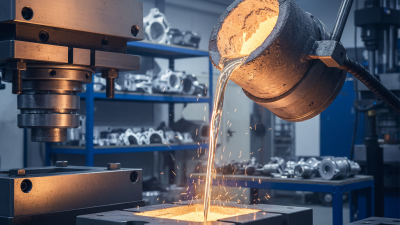
Zinc casting is a process that has gained prominence in various industries. It utilizes zinc alloys to create durable and precise components. The advantages of zinc casting are abundant. This technique offers enhanced mechanical properties and resistance to corrosion. It also provides excellent fluidity, making it suitable for intricate designs.
In recent years, zinc casting has found applications in automotive, aerospace, and consumer goods. Companies increasingly rely on this method for producing high-quality parts. However, while zinc casting is efficient, it is essential to consider its environmental impact. Recycling and sustainability are key factors that warrant attention.
Understanding zinc casting's benefits and limitations can help industries make informed choices. As technology advances, the potential for innovation within zinc casting continues to grow. Therefore, it is crucial to continually reflect on best practices and improvements in this area.
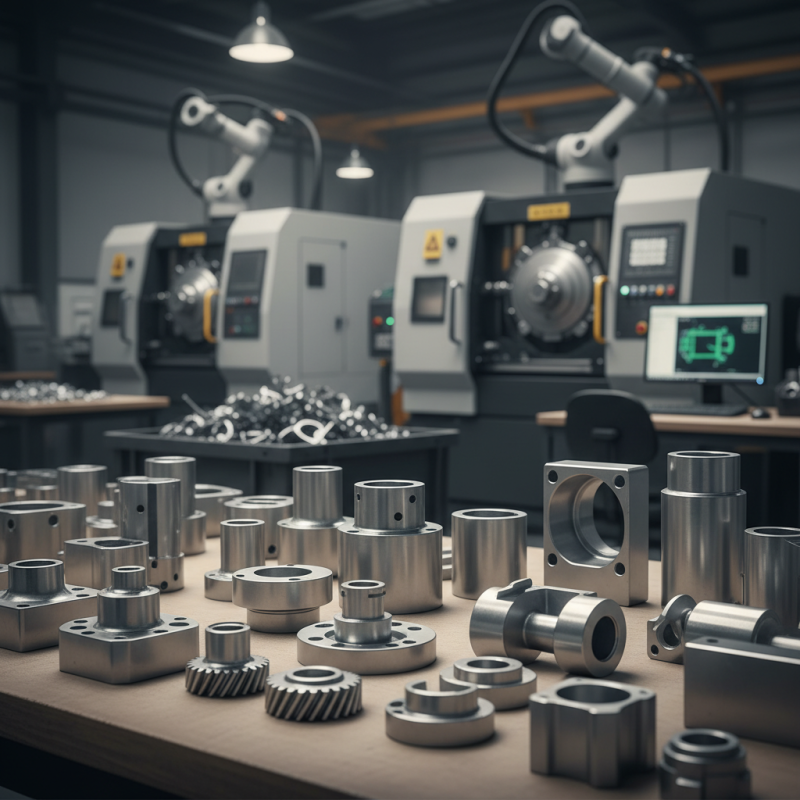
Zinc Casting: An Overview of Its Characteristics and Properties
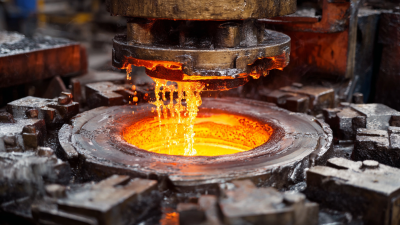
Zinc casting offers unique characteristics that make it a favored choice in various industries. Its high fluidity allows for intricate designs, capturing fine details in the mold. According to a study by the International Zinc Association, zinc castings have superior corrosion resistance, enhancing their durability in outdoor applications. The material also has a relatively low melting point, which simplifies the casting process and reduces energy use.
Zinc's lightweight nature contributes to its popularity in automotive and aerospace industries. Many manufacturers are leveraging zinc casting to produce complex components that require less material without sacrificing strength. The global market for zinc die casting is projected to grow, driven by increasing demand for lightweight materials across sectors. Tips: Ensure proper mold design to minimize defects. Regularly monitor for any inconsistencies during the casting process.
While zinc casting provides numerous benefits, it can also present challenges. The cooling rate during the casting process can affect the final product's strength. Inconsistent cooling may lead to structural weaknesses. Awareness of these potential pitfalls is essential for manufacturers aiming to produce high-quality zinc castings. Tips: Invest in training for your team. Understanding material behavior can lead to better outcomes.
Key Benefits of Zinc Casting in Various Industries
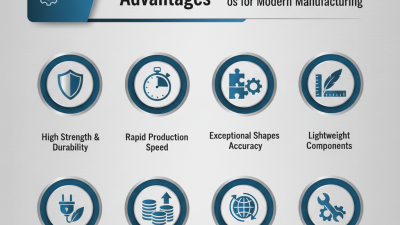
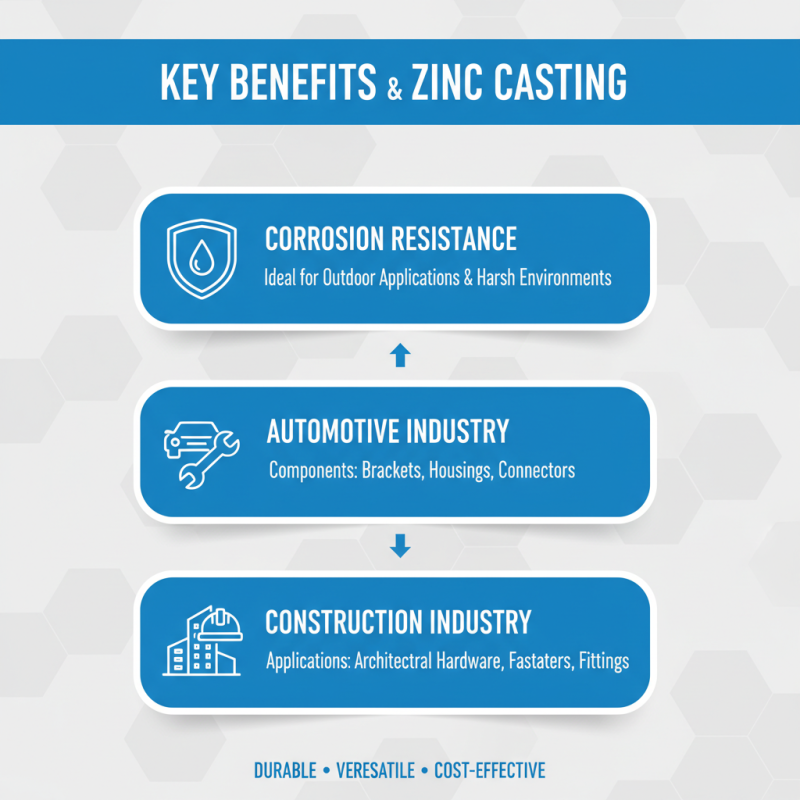
Zinc casting offers significant advantages across various industries due to its unique properties. One major benefit is its excellent corrosion resistance. This makes it ideal for outdoor applications where materials face harsh environmental conditions. Many industries rely on this quality, especially in automotive and construction.
Another key benefit is the versatility of zinc alloys. They can be easily cast into complex shapes with high precision. This adaptability allows manufacturers to create intricate parts, saving time and costs in production. Companies appreciate this efficiency, as it leads to better resource management and reduced waste.
Moreover, zinc casting provides good mechanical strength. This strength is crucial for components that need durability. However, some might overlook that zinc parts can still become brittle if not properly processed. It is essential to monitor casting techniques to ensure the final products meet industry standards. This awareness can lead to better outcomes in production and longer-lasting products.
Common Applications of Zinc Cast Products
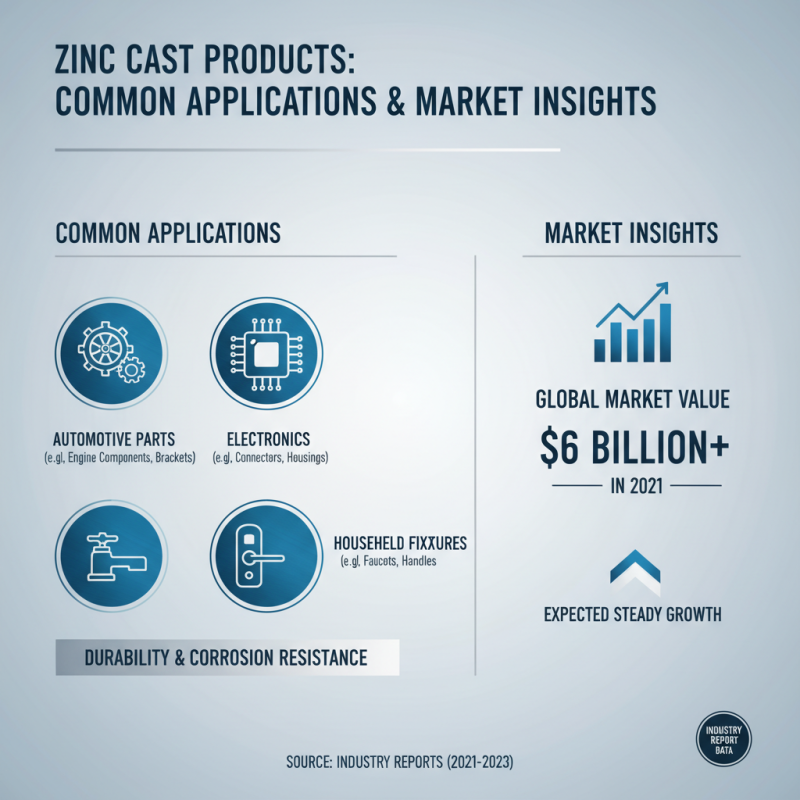
Zinc cast products are widely used in various industries. Their durability and resistance to corrosion make them a preferred choice. Common applications include automotive parts, electronics, and household fixtures. According to industry reports, the global zinc die casting market was valued at over $6 billion in 2021 and is expected to grow steadily.
In automotive manufacturing, zinc is often utilized for creating components like door handles, brackets, and housings. The lightweight nature of zinc reduces overall vehicle weight, contributing to fuel efficiency. Moreover, zinc castings can withstand harsh environmental conditions, making them ideal for outdoor applications. Data shows that around 30% of zinc die cast products are used in this sector.
Electronics also benefit from zinc casting. Many devices use zinc for housing and connectors. This choice enhances durability and minimizes electromagnetic interference. Research indicates that zinc castings can increase the lifespan of electronic components by up to 50%. Despite its advantages, the industry faces challenges in recycling zinc, which is not always straightforward. Continuous innovation is needed to address these issues and improve sustainability in zinc casting.
Operational Advantages of Zinc Casting Compared to Other Metals
Zinc casting offers distinct operational advantages over traditional metals like aluminum and steel. Its lower melting point, at approximately 420°C, allows for faster production cycles. According to the North American Die Casting Association, this can lead to a 20% increase in efficiency. Zinc's fluidity in molten form enables intricate designs and reduced assembly time, which often results in fewer defects.
Zinc also boasts excellent dimensional stability. Its low thermal expansion minimizes warping during cooling. A study by the International Zinc Association revealed that zinc components can maintain precision within ±0.005 inches. Unlike iron-based alloys, zinc's resistance to corrosion enhances the durability of finished products. However, it has a limited temperature tolerance, which industry professionals need to consider for high-heat applications.
Despite its favorable properties, zinc casting does come with challenges. The reliance on specific alloys can limit material choices. Additionally, zinc's comparatively lower strength may not be suitable for all heavy-duty applications. Understanding these limitations is key for manufacturers. Proper application of zinc casting requires a detailed knowledge of both advantages and potential drawbacks.
What is Zinc Casting Benefits Applications and Uses? - Operational Advantages of Zinc Casting Compared to Other Metals
| Dimension |
Zinc Casting |
Aluminum Casting |
Magnesium Casting |
Steel Casting |
| Weight |
Lightweight |
Moderate |
Lightweight |
Heavy |
| Corrosion Resistance |
Excellent |
Good |
Fair |
Low |
| Casting Complexity |
High |
Moderate |
High |
Low |
| Machinability |
Good |
Excellent |
Good |
Fair |
| Cost-Effectiveness |
High |
Moderate |
High |
Low |
Future Trends and Innovations in Zinc Casting Technology
Zinc casting is evolving rapidly, and future trends promise remarkable advancements. One significant trend is the integration of smart technologies. By implementing IoT in zinc casting processes, manufacturers can monitor quality in real-time. This innovation leads to less waste and improved efficiency. Furthermore, predictive analytics can foresee defects before they happen, ensuring better products.
Another promising area is the development of advanced alloys. These new alloys enhance zinc's properties. They offer improved strength and corrosion resistance. As industries seek sustainable solutions, innovations in alloy composition can contribute to more eco-friendly practices. Companies are also exploring additive manufacturing combined with zinc casting, opening doors to complex designs and faster production cycles.
Tips for successful zinc casting include optimizing melt temperature. This affects flow and solidification behavior. Ensure thorough cleaning of molds to avoid contamination. Regular equipment maintenance extends the lifespan of machines and supports consistent quality. Embrace these developments while being aware of your current processes. Reflect on areas for improvement to stay competitive.
Zinc Casting Applications and Benefits
Zinc casting technology is widely utilized across various industries due to its numerous benefits, including excellent mechanical properties, corrosion resistance, and versatility. The chart above highlights the primary applications of zinc casting, demonstrating its significant use in the automotive and construction sectors.

 +86-13516964051


 CONTACT NUMBER
 CONTACT NUMBER