Why Choose Casting Aluminum Parts for Your Next Project?
When considering materials for manufacturing, "Casting Aluminum Parts" stands out due to its versatility and strength. John Smith, a renowned expert in casting technology, once said, "Aluminum casting is the backbone of many industries." This statement encapsulates the significance of aluminum parts in modern engineering.
Casting aluminum parts not only offers excellent mechanical properties but also reduces weight, making it ideal for automotive and aerospace applications. However, the decision to use aluminum can be daunting. The processes involved require precision and expertise to avoid common pitfalls. Mistakes in casting can lead to structural weaknesses, affecting the final product's reliability.
Despite its advantages, there are challenges in working with aluminum. It demands careful handling and quality control. Understanding these nuances is essential for successful implementation. A thorough examination of processes will help in mitigating risks and enhancing project outcomes. The choice of casting aluminum parts should be a well-informed decision, balancing benefits and potential drawbacks.
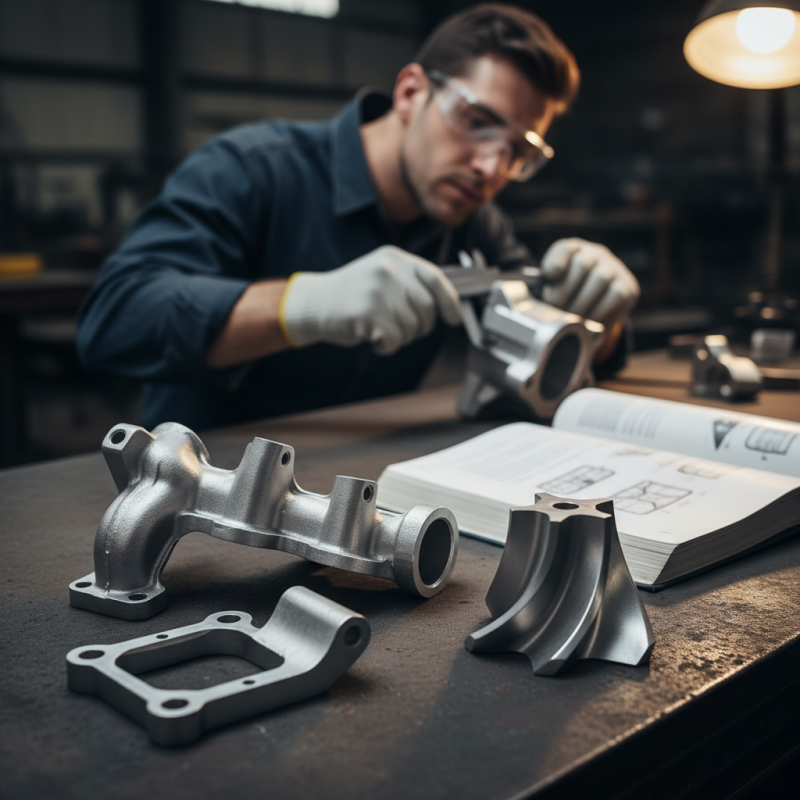
Benefits of Using Aluminum Castings in Various Industries
Aluminum castings are increasingly popular across various industries due to their numerous benefits. In the automotive sector, for instance, aluminum parts can reduce vehicle weight by up to 30%. This reduction improves fuel efficiency and lowers emissions, making vehicles more environmentally friendly. The lightweight nature of aluminum also enhances the performance of electric vehicles, which is gaining traction globally.
Moreover, the aerospace industry benefits significantly from aluminum castings. They can withstand high stress and temperature, crucial for flight applications. According to a recent industry report, aluminum alloys constitute approximately 75% of the total weight of an aircraft. This helps manufacturers achieve necessary fuel efficiency while ensuring aircraft safety and durability.
In construction, aluminum castings possess excellent corrosion resistance. This quality reduces maintenance costs and extends the lifespan of structures. However, the manufacturing process of aluminum castings is not without challenges. Achieving precise dimensions can be difficult, requiring skilled workmanship. Nonetheless, the long-term benefits often outweigh these challenges, making aluminum an attractive choice for many projects.
Understanding the Aluminum Casting Process and Techniques
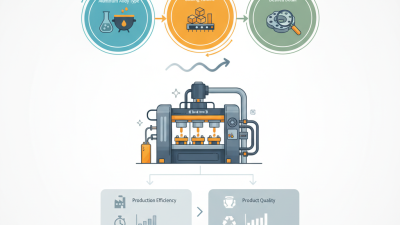
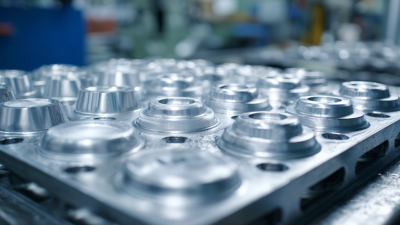
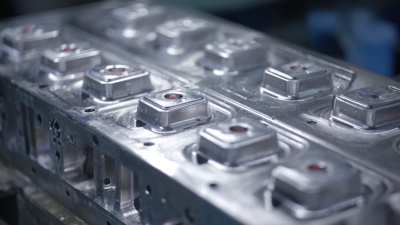
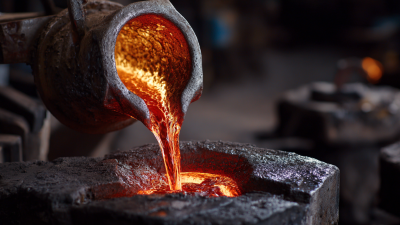
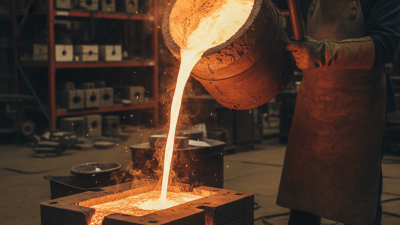
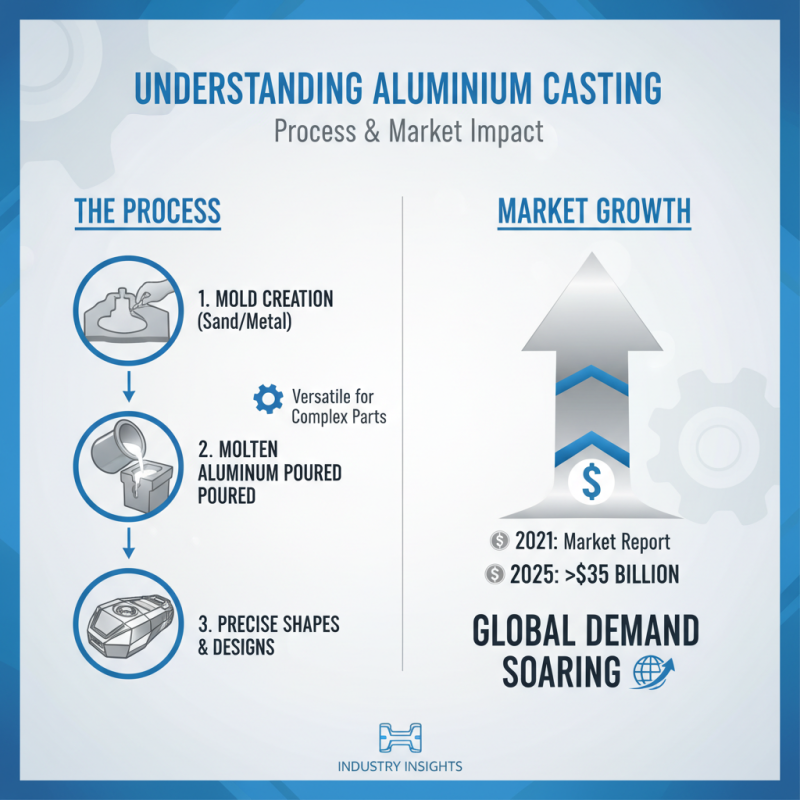
The aluminum casting process is a versatile method for producing complex parts. It starts with creating a mold, usually made from sand or metal, which is then filled with molten aluminum. This technique allows for precise shapes and intricate designs, making it a preferred choice in various industries. According to a 2021 market report, the global aluminum casting market is expected to exceed $35 billion by 2025, illustrating the growing demand for this material.
There are several aluminum casting techniques, including sand casting, die casting, and investment casting. Each method has unique advantages and applications. For example, die casting is known for its efficiency and ability to produce large volumes of parts quickly. In contrast, sand casting is more flexible for custom and low-volume production, though it may require longer lead times. Interestingly, the quality of aluminum parts can vary significantly based on the chosen technique. Ensuring the right method is crucial to achieving desired tolerances and finishes.
Despite the advantages, the aluminum casting process does face challenges. Issues such as porosity and inclusions can affect the integrity of the final product. Continuous advancements in technology aim to minimize these defects, enhancing reliability in aluminum parts. Understanding these nuances is vital for manufacturers looking to optimize their production processes while balancing cost and quality.
Mechanical Properties and Advantages of Aluminum Parts
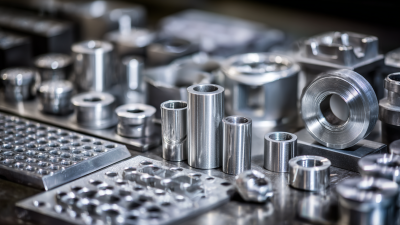
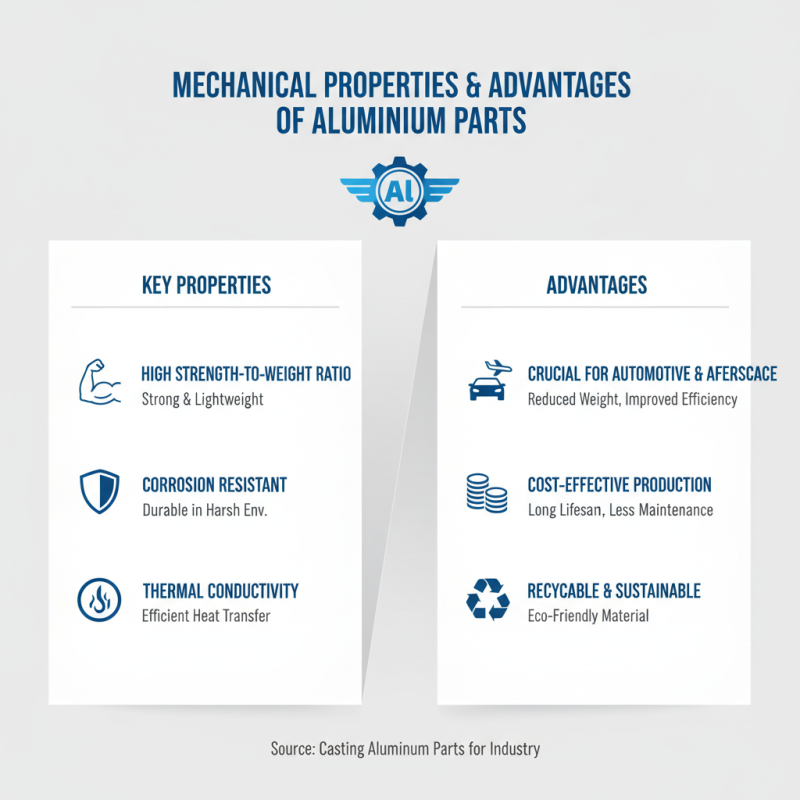
Casting aluminum parts offer impressive mechanical properties that are often essential for various projects. This lightweight metal boasts a high strength-to-weight ratio. It allows for the creation of robust components without adding excessive weight. Such properties are crucial in industries like automotive and aerospace, where every ounce counts.
Another notable advantage is aluminum's resistance to corrosion. This makes it an excellent choice for parts exposed to harsh environments. Its longevity reduces the need for frequent replacements. Moreover, aluminum is highly malleable, enabling complex shapes and intricate designs. Designers can push boundaries and create innovative solutions.
However, it's worth noting that aluminum can be less rigid than other metals. This may impact performance in certain applications. Additionally, the casting process can introduce imperfections. These might include unseen air pockets or weak spots. Recognizing these potential issues is vital during the design phase. A thorough understanding of aluminum's properties helps in making informed decisions for future projects.
Cost-Effectiveness of Aluminum Castings for Manufacturing
When considering manufacturing materials, aluminum castings stand out for their cost-effectiveness. Compared to other metals, aluminum offers advantages in weight and strength. It is abundant and recyclable, making it a sustainable option. The production process of casting aluminum is efficient. It allows for intricate designs while minimizing waste.
Tips: Always evaluate the required strength for your project. Sometimes lighter materials may appear cost-effective but could compromise durability.
Aluminum castings also require less post-processing compared to some other materials. This reduces labor costs and speeds up production times. Although aluminum can be more expensive than plastics upfront, its longevity and recyclability add value in the long run.
Tips: Do thorough market research. Understand the lifecycle cost benefits that aluminum parts offer. They might save money in maintenance over time, despite initial investment. Choose wisely to avoid overspending on less efficient alternatives.
Environmental Considerations and Sustainability of Aluminum Casting
Aluminum casting is a sustainable choice for environmentally conscious projects. The production of aluminum parts generates significantly less carbon dioxide compared to other materials. A study by the International Aluminum Institute states that aluminum can save up to 90% of energy during recycling. This highlights the importance of utilizing recycled aluminum in casting processes.
Moreover, aluminum casting aligns with the growing focus on sustainability in manufacturing. The Global Aluminum Alliance emphasized that the recycling rate for aluminum exceeds 75%, showcasing its circular economy potential. Companies can reduce their carbon footprints when they use aluminum. However, challenges exist. The energy consumption during the initial production phase remains high, leading to environmental impacts that must be addressed.
Awareness about these factors is crucial for manufacturers. While aluminum offers many benefits, responsible sourcing and energy-efficient practices need emphasis. The industry must strive for more efficient process designs to minimize energy usage. Continuous improvement is necessary to fully capitalize on aluminum’s eco-friendly properties.
Why Choose Casting Aluminum Parts for Your Next Project? - Environmental Considerations and Sustainability of Aluminum Casting
| Dimension |
Value |
| Recyclability Rate |
100% |
| Energy Consumption (MJ/kg) |
6-9 |
| CO2 Emissions (kg CO2/kg) |
8-12 |
| Average Lifetime (Years) |
20-30 |
| Weight Savings Compared to Steel (%) |
40-50% |
| Common Applications |
Automotive, Aerospace, Construction |
| Sustainability Certifications |
ISO 14001, LEED |

 +86-13516964051


 CONTACT NUMBER
 CONTACT NUMBER