Top 10 Reasons to Choose Dies Aluminium for Your Projects?
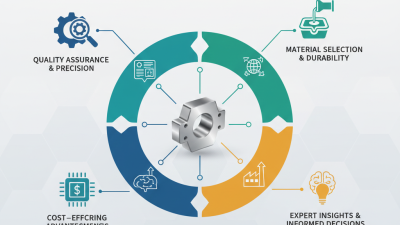
Choosing the right materials for projects can significantly impact success. "Dies Aluminium" stands out due to its unique advantages. As industry expert Dr. Jane Morrison states, “Aluminium dies not only enhance performance but also reduce costs.” This insight highlights the resourcefulness of incorporating Dies Aluminium in various applications.
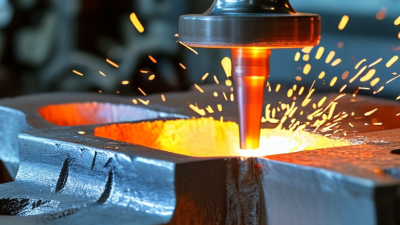
The lightweight nature of Dies Aluminium makes it ideal for complex designs. It allows for intricate shapes without compromising strength. Additionally, this material boasts excellent thermal conductivity, which improves production efficiency. Many companies have found that using Dies Aluminium leads to faster turnaround times and reduced energy consumption. This is crucial in today's fast-paced market.
However, selecting Dies Aluminium is not without challenges. The initial investment may seem higher than traditional materials. Yet, the long-term benefits often outweigh these costs. Clients must evaluate their specific needs carefully. In doing so, they can leverage the full potential of Dies Aluminium, ensuring their projects stand out in quality and sustainability.
Benefits of Using Aluminium Dies in Modern Manufacturing Projects
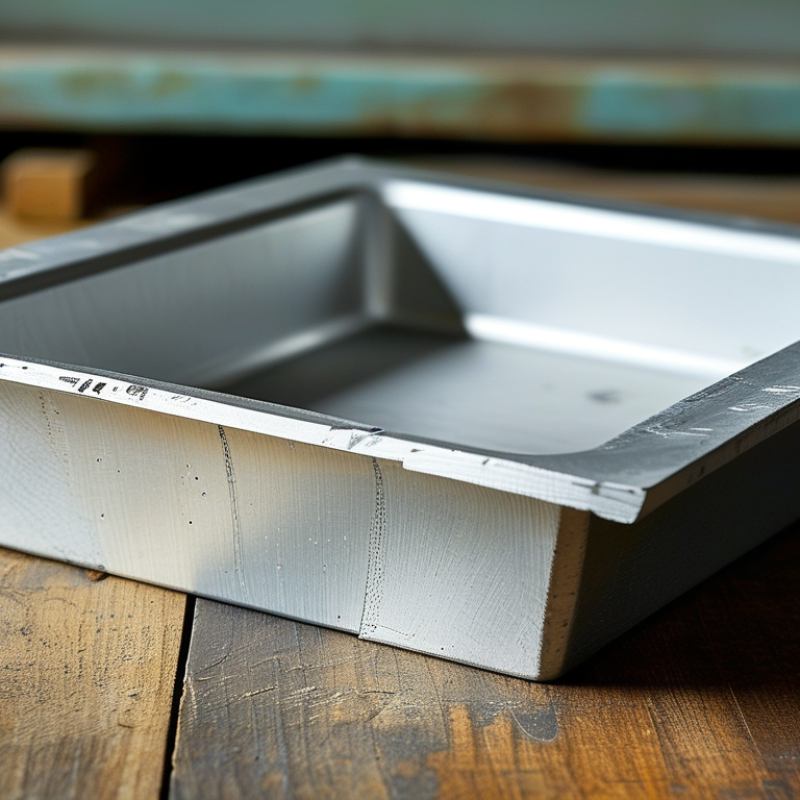
Aluminium dies are gaining momentum in modern manufacturing. One major advantage is their lightweight nature. This feature can reduce the overall weight of products, improving transportation efficiency. Recent reports suggest that using aluminium dies can save up to 20% in shipping costs due to lower payload weights.
Additionally, aluminium offers superior thermal conductivity compared to steel. This means quicker heat dissipation during manufacturing processes. Faster cycle times can lead to increased productivity. In fact, studies indicate that companies employing aluminium dies see up to a 30% boost in production efficiency.
However, it’s essential to consider potential downsides. While aluminium can provide benefits, it may not be as durable as steel in certain applications. Some users report that, under extreme pressure, aluminium can deform more readily. Proper evaluation and design considerations are crucial for optimal results. Balancing efficiency with durability is key in choosing the right material for specific projects.
Cost-Effectiveness of Aluminium Dies Compared to Alternative Materials
Aluminium dies offer significant cost-effectiveness compared to alternative materials. For many projects, aluminium provides a balance of strength and weight. It is less expensive than steel or other metals. This reduction in material costs can lead to substantial savings, especially in large-scale production.
The tooling process for aluminium dies is often quicker and more efficient. This speed can decrease overall project timelines. Faster turnaround times mean that products can get to market sooner. However, it's important to consider the longevity of aluminium dies. They may not last as long as hardened steel, which could result in more replacements over time. This factor should be weighed against initial savings.
In addition, aluminium’s lightweight properties can lower shipping costs. Products become easier to handle and transport. Yet, an important reflection is the trade-off between weight and durability. Understanding project requirements is crucial. Opting for aluminium dies isn’t always the best choice. Evaluation of long-term needs can help guide the decision.
Enhanced Durability and Longevity of Aluminium Dies for Industrial Use
Aluminium dies are gaining popularity in various industries due to their enhanced durability and longevity. These materials withstand extreme stress and temperature changes. The robust nature of aluminium contributes to fewer replacements over time. This characteristic significantly reduces downtime in manufacturing. A die that lasts longer means less disruption in production schedules.
Corrosion resistance is another vital aspect of aluminium dies. Unlike traditional options, aluminium can resist oxidation, making it suitable for various environments. This feature enhances the reliability of the dies in challenging settings. Manufacturers appreciate the reduced maintenance costs associated with aluminium dies, as their longevity leads to fewer repairs.
However, it's important to reflect on the initial costs. While aluminium dies may be higher in price initially, the long-term savings often outweigh this factor. Some workers may also find the weight of aluminium dies surprising. Lighter materials can improve handling, but only if workers are trained properly. Ultimately, choosing aluminium for dies invites consideration of both immediate investments and future savings.
Top 10 Reasons to Choose Dies Aluminium for Your Projects
| Reason |
Description |
Benefits |
| Enhanced Durability |
Aluminium dies are highly resistant to wear and tear. |
Longer lifespan, reduced replacement costs. |
| Corrosion Resistance |
Aluminium has natural protection against corrosion. |
Suitable for various industrial environments. |
| Lightweight |
Aluminium is significantly lighter than steel and iron. |
Easier handling and transport, increased efficiency. |
| Excellent Thermal Conductivity |
Aluminium dissipates heat effectively. |
Improved process control and product quality. |
| Versatility |
Can be used for multiple applications and processes. |
High adaptability to industry changes. |
| Low Maintenance |
Aluminium requires minimal upkeep compared to other materials. |
Cost savings over time. |
| Recyclability |
Aluminium is 100% recyclable without degradation. |
Environmentally friendly and sustainable choice. |
| Aesthetic Appeal |
Can be finished to provide a polished look. |
Improved product presentation. |
| Cost Efficiency |
Initial investments may be higher but savings are realized in the long run. |
Lower overall operational costs. |
| Innovative Technology |
Utilization of modern techniques enhances performance. |
Stays up-to-date with industry advancements. |
Versatility of Aluminium Dies in Various Manufacturing Applications
Aluminium dies are gaining popularity across various manufacturing sectors due to their versatility. They can adapt to numerous applications, from automotive components to consumer electronics. According to a report by Research and Markets, the global aluminium die casting market is projected to reach $12.44 billion by 2025. This growth highlights the demand for aluminium in diverse industries.
One major advantage of aluminium dies is their lightweight nature. They reduce overall product weight, which is crucial in industries like aerospace. In fact, using aluminium can lead to a 20-30% weight reduction in parts. This reduction not only enhances fuel efficiency but also lowers emissions. However, the challenge remains in achieving the desired strength-to-weight ratio, as some applications may require additional reinforcement.
Aluminium also offers excellent thermal conductivity. This feature is vital in heat-sensitive applications, such as electronic housings. Reports suggest that components made with aluminium die casting have better heat dissipation than those from other materials. Still, manufacturers must ensure proper design and cooling processes to avoid overheating. Fine-tuning the design can be complex and requires ongoing assessment to optimize performance.
Environmental Impact and Sustainability of Aluminium Die Production
Aluminium die production stands out in terms of its environmental impact and sustainability.
The process uses less energy compared to many alternatives. This results in lower carbon emissions,
contributing to a smaller ecological footprint. Additionally, aluminium is highly recyclable.
Most of the aluminium produced today comes from recycled sources, allowing for efficient use of resources.
Yet, challenges remain. The production of aluminium involves mining bauxite, which can disrupt local ecosystems.
Responsible sourcing is essential to minimize these effects. Companies should evaluate the sustainability practices
of their suppliers. Merely focusing on the end product does not suffice; the entire supply chain needs scrutiny.
Investment in technology can also enhance sustainability. Advanced methods can reduce waste during production,
refining processes further. Continuous improvement is crucial. A commitment to environmental standards may feel
overwhelming, but it is a necessary step. By prioritizing sustainable practices, firms can reduce their ecological impact
while producing high-quality aluminium die products.

 +86-13516964051


 CONTACT NUMBER
 CONTACT NUMBER