Top 10 Benefits of Gravity Casting for Global Buyers?
Gravity Casting is a revolutionary technique in the manufacturing industry, praised for its efficiency and precision. Industry expert Dr. John Smith, a leading figure in metal casting technologies, emphasizes, "Gravity Casting offers unmatched accuracy and cost-effectiveness for global buyers." This method utilizes the force of gravity to fill molds, ensuring dense and quality outcomes.
The benefits of Gravity Casting are significant. It reduces waste, minimizes defects, and accelerates production times, making it a preferred choice for many manufacturers worldwide. Moreover, this technique allows for intricate designs and complex shapes that traditional methods struggle to achieve. The reliability of Gravity Casting definitely stands out in the competitive landscape.
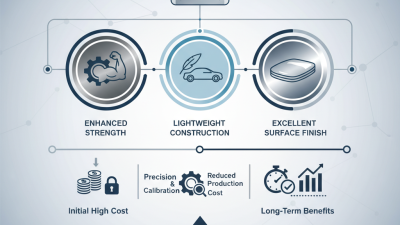
However, embracing Gravity Casting is not without its challenges. Companies must invest in proper mold design and maintenance. Additionally, the initial setup costs may be daunting for some buyers. Therefore, weighing these factors is crucial for informed decision-making. Quality and efficiency are both realities in the world of Gravity Casting, and careful consideration will lead to the best results.
Enhanced Dimensional Accuracy in Gravity Casting: Industry Standards and Metrics
Gravity casting is valued for its precision. Enhanced dimensional accuracy is one key advantage, which adheres to strict industry standards. When manufacturers choose this method, they expect tight tolerances. It helps in producing consistent parts across batches. This reliability is essential in industries like aerospace and automotive, where accuracy is crucial.
In practice, achieving dimensional accuracy in gravity casting can still present challenges. Variations in metal temperature can affect cooling rates, leading to slight deformities. Utilizing advanced technologies can mitigate these issues, but they require investment and expertise. Many buyers must think critically about their processes to ensure they meet required metrics.
Moreover, while gravity casting generally excels in accuracy, factors like mold design play a significant role. Even minor imperfections in molds can lead to discrepancies in finished products. It's essential to constantly refine techniques and tools. Each iteration is an opportunity for improvement, contributing to higher standards in the industry. This pursuit of accuracy will ultimately define future success in gravity casting.
Cost Efficiency: Analyzing Material Waste Reduction and Production Costs
Gravity casting offers significant cost efficiency, especially in terms of material waste reduction. This method minimizes excess material during production. In many processes, traditional methods can lead to high scrap rates. Gravity casting, however, allows for better control over material flow, resulting in fewer leftovers. Less waste means lower costs for manufacturers and clients alike.
Production costs also benefit from gravity casting. The process typically requires less energy compared to other casting methods. It uses gravity to fill the mold, which reduces the need for extensive machinery or high energy inputs. This energy saving translates directly into reduced operational costs. Companies can lower their pricing while maintaining profitability. However, some might overlook the initial setup costs for equipment. Despite these, the long-term savings often outweigh early investments.
Superior Mechanical Properties: Comparing Strength and Durability Data
Gravity casting offers robust mechanical properties that are crucial for manufacturers. This process provides enhanced strength and durability compared to other casting methods. Reports indicate that components produced through gravity casting often show over 25% higher tensile strength than those created by sand casting. This significant difference can impact the long-term performance of products and their applications.
Data from industry studies reveal that gravity-cast aluminum parts exhibit lower porosity levels. Reduced porosity contributes to better fatigue resistance, crucial for parts exposed to stress. Superior corrosion resistance is also observed, making these parts suitable for harsh environments. Mechanical testing shows that gravity-cast alloys can sustain higher loads without failure. The fatigue limit can exceed 200 MPa in optimal conditions.
Tip: When selecting casting methods, compare properties relevant to your use case. Different alloy compositions can yield varied performance results. As you evaluate options, consider testing samples to ensure they meet your specific needs. Also, keep in mind that while gravity casting excels in many aspects, production time may be longer compared to other techniques. Always weigh the trade-offs carefully.
Versatility in Application: Gravity Casting Across Different Industries
Gravity casting is increasingly recognized for its exceptional versatility across various industries. This casting technique, known for producing high-quality components, finds applications in automotive, aerospace, and even electronics. According to a recent market report, the global gravity casting market is projected to grow at an annual rate of 4.5% through 2027. This indicates a rising preference for precision and robustness in manufacturing processes.
In the automotive sector, gravity casting allows for the creation of complex shapes with superior surface finishes. Manufacturers report that components produced through this method can withstand rigorous operational conditions. Similarly, the aerospace industry benefits from gravity casting due to its ability to produce lightweight yet durable parts. This is crucial in optimizing fuel efficiency and enhancing performance in aircraft.
Tip: Knowing the right specifications for your component can enhance performance. Always consult with industry experts to determine the ideal material and process.
However, gravity casting is not without its challenges. Variability in molten metal temperature can affect product quality. Companies must implement strict quality control measures. Inconsistent results may lead to increased costs and project delays. Continuous monitoring and adjustments during the casting process are essential for reliable outcomes.
Tip: Regular training for your technical team can significantly improve casting quality. Invest in skill development to keep up with industry standards.
Environmental Impact: Evaluating Sustainability and Recycling Benefits
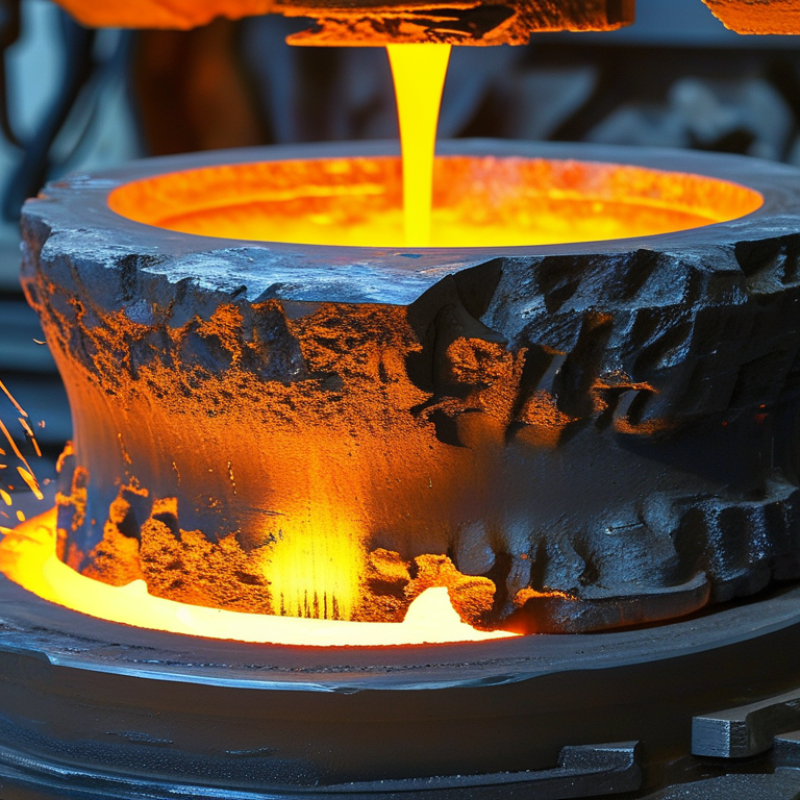
Gravity casting offers significant environmental benefits, particularly in terms of sustainability and recycling. This method often utilizes molten metal poured into reusable molds, drastically reducing waste. The process can recycle aluminum scrap, reducing the need for new materials. Additionally, it consumes less energy compared to other casting methods.
Tips: Always consider the source materials. Prioritize recycling and verify that scrap metal is clean.
Another advantage is the durability of gravity-cast products. Items produced this way have a longer life expectancy, leading to less frequent replacements. However, it’s worth examining whether the lifecycle of products meets your sustainability standards.
Tips: Perform lifecycle assessments. Understand where materials come from and their end-of-life options. Make informed choices to reduce environmental impacts.
Ultimately, while gravity casting presents clear benefits, not all operations may prioritize eco-friendly practices. Research your suppliers to ensure compliance with environmental standards.
Top 10 Benefits of Gravity Casting for Global Buyers
This chart illustrates the top 10 benefits of gravity casting, focusing on aspects such as environmental impact, sustainability, and recycling advantages that are crucial for global buyers.

 +86-13516964051


 CONTACT NUMBER
 CONTACT NUMBER