2026 How to Source Aluminum Die Casting Parts Effectively?
In the rapidly evolving manufacturing landscape, sourcing high-quality Aluminum Die Casting Parts is crucial for various industries. According to a recent report by MarketsandMarkets, the global die casting market is projected to reach over $100 billion by 2026. This highlights the increasing demand for lightweight, durable components in sectors such as automotive, aerospace, and electronics.
However, sourcing these parts effectively is not without challenges. Many companies face issues such as fluctuating material costs and varying quality standards from suppliers. A survey by Grand View Research indicated that 62% of manufacturers struggle with inconsistent quality, which can lead to production delays and increased costs. The importance of selecting reliable suppliers and understanding the die casting process cannot be overstated.
Optimizing the sourcing process for Aluminum Die Casting Parts requires a strategic approach. Companies must balance cost with quality to ensure they remain competitive. Investing time in supplier evaluation and establishing strong relationships can yield long-term benefits. Yet, there remains a need for continuous improvement in sourcing strategies, as the industry is always changing.
Understanding Aluminum Die Casting: Overview and Benefits
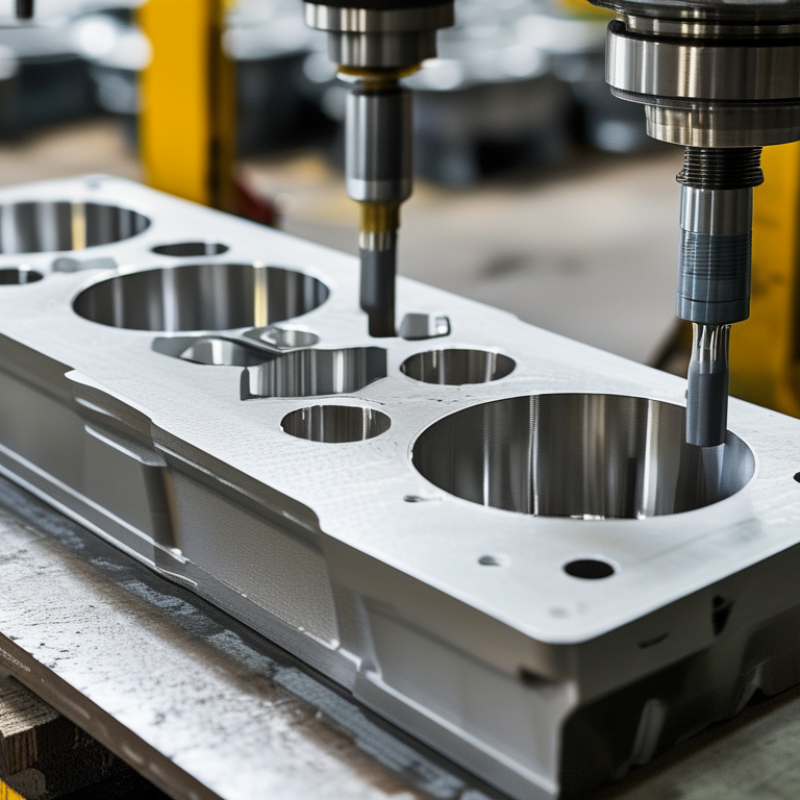
Aluminum die casting is a highly adaptable manufacturing process. It offers notable advantages such as strong dimensional stability, excellent surface finish, and the ability to mold complex shapes. According to a recent industry report, the aluminum die casting market is projected to reach USD 8.4 billion by 2026, growing at a CAGR of 5.5%. These figures underline the increasing demand for aluminum components across various industries.
One remarkable benefit of aluminum die casting is its lightweight nature. This characteristic is crucial for sectors like automotive and aerospace, where reducing weight can significantly improve fuel efficiency. Coupled with high corrosion resistance, aluminum components often have a longer lifespan, reducing maintenance costs. However, challenges remain, such as porosity and shrinkage in cast parts, which necessitate careful attention during production.
Tips: Conduct thorough research on potential suppliers. Assess their experience and capabilities. Review customer testimonials and case studies. Understand their quality control measures. A supplier who prioritizes quality can make a noticeable difference in the final product. Ensuring open communication with your supplier can also prevent misunderstandings and enhance product quality, leading to more effective sourcing.
Key Factors Affecting the Sourcing of Aluminum Die Casting Parts
When sourcing aluminum die casting parts, several key factors come into play. Understanding material properties is crucial. Aluminum alloys can vary significantly in strength and corrosion resistance. According to a recent industry report, over 70% of manufacturers emphasize the importance of alloy selection in achieving optimal performance.
Supplier reliability is another critical factor. Research indicates that 65% of sourcing issues stem from delays in delivery. It is vital to establish clear communication and timelines with suppliers. A well-structured sourcing strategy ensures consistency in quality and reduces unexpected costs. Companies often report problems when they assume all suppliers meet equal standards.
Lastly, cost management cannot be overlooked. The global market for aluminum die casting is expected to grow significantly, projected to reach $4.6 billion by 2026. However, cutting costs should not compromise quality. Companies must periodically review their sourcing processes. This reflection helps balance cost efficiency with industry standards. Establishing partnerships with reliable suppliers fosters long-term benefits, despite initial price concerns.
Evaluating Suppliers: Quality Standards and Certifications in the Industry
When sourcing aluminum die casting parts, evaluating suppliers is crucial.
Quality standards and certifications play a significant role in this process. According to the Aluminum Association, certification can reduce defects by up to 50%. This emphasizes the importance of choosing suppliers with recognized certifications.
Look for ISO 9001 certification. ISO 9001 ensures that a supplier adheres to consistent quality management practices. This standard often reflects a commitment to continuous improvement. The industry data indicates that companies with this certification can achieve lower failure rates in production.
Additionally, consider suppliers with IATF 16949 certification if you're in the automotive sector. This specific standard addresses complex automotive supply chains and has been proven to enhance product reliability. Notably, around 80% of automotive manufacturers require this certification from their suppliers. In contrast, suppliers lacking established standards may struggle with inconsistent quality. This inconsistency can lead to costly delays and revisions. Ultimately, effective sourcing hinges on reliable, certified suppliers who uphold high-quality standards.
Cost Analysis: Budgeting for Aluminum Die Casting Projects Effectively
Cost analysis is crucial for budgeting aluminum die casting projects. Accurate estimates help avoid surprises later. Start by breaking down your expenses. Consider material costs, labor, and overhead. Understand the impact of design complexity on your budget. More intricate designs may require higher costs for tooling and machining.
Market conditions influence aluminum prices. Regularly monitor these fluctuations. It’s essential to engage with multiple suppliers to ensure competitive pricing. Additionally, think about volume. Larger orders can lead to bulk discounts. However, committing to a large quantity may increase your financial risk if demand changes.
Lastly, account for potential hidden costs. Shipping and customs fees can add up. Reassess your budget periodically to stay aligned with project developments. Be prepared to adjust as necessary. This proactive approach fosters a more manageable financial outcome in your aluminum die casting endeavors.
Sourcing Strategies: Domestic vs. International Aluminum Casting Markets
Sourcing aluminum die casting parts involves careful consideration of both domestic and international markets. In recent years, the global aluminum die casting market has seen a compound annual growth rate (CAGR) of around 5.5%. This growth makes it crucial for manufacturers to choose the right sourcing strategy.
Domestic sourcing offers benefits like shorter lead times and easier communication. Local suppliers often have established reputations and quality control standards. However, costs can be higher, and options may be limited. According to a report by Smithers, around 70% of companies prefer domestic suppliers for precision casting, citing reliability and support as key factors.
On the other hand, international markets can provide lower costs and a wider variety of innovations. Emerging economies, particularly in Asia, are increasingly dominating this space. Reports show that countries like China and India represent over 40% of the global aluminum die casting output. Yet, risks exist, such as longer shipping times and fluctuating tariffs. Companies must weigh these factors carefully and reflect on their long-term sourcing goals. Each approach carries its own challenges and benefits.

 +86-13516964051


 CONTACT NUMBER
 CONTACT NUMBER