How to Choose Quality Casting Aluminum Parts for Your Business?
Choosing quality casting aluminum parts for your business is crucial. Industry expert John Smith, a well-known figure in the casting industry, once stated, “Quality starts with the materials used.” This statement underscores the importance of careful selection.
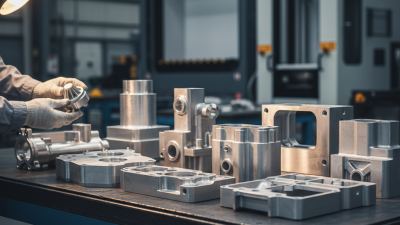
When selecting casting aluminum parts, understanding the materials and processes involved is key. Factors like alloy composition, casting methods, and finishing options can significantly influence the final product. It's vital to inspect the supplier's capabilities. Many businesses overlook this step and face costly issues later. A defective part can result in delays and loss of trust.
Reflecting on past experiences, companies should ask themselves critical questions. Are they prioritizing cost over quality? Are they aware of the production capabilities of their suppliers? Engaging with suppliers that prioritize quality manufacturing processes is essential. Ultimately, investing time in research on casting aluminum parts pays off in long-term reliability and performance.
Understanding the Basics of Casting Aluminum Parts for Business Applications
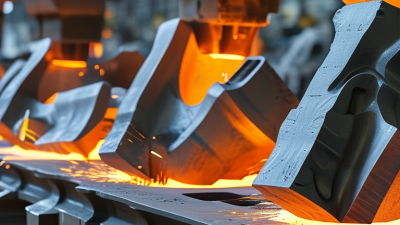
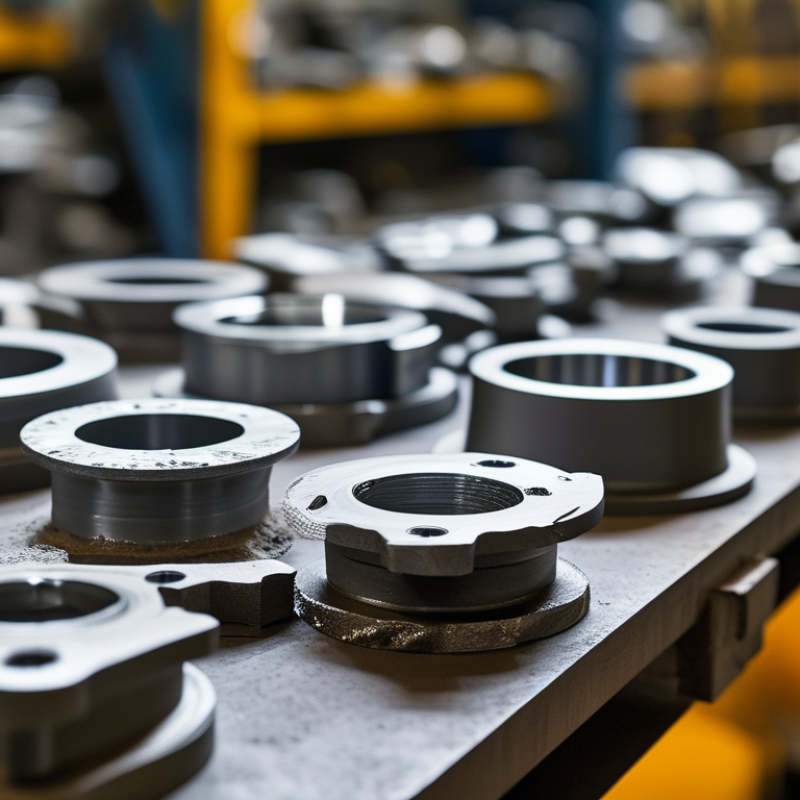
Understanding the basics of casting aluminum parts is essential for businesses seeking quality components. Aluminum casting involves pouring molten metal into molds, creating specific shapes and sizes for various applications. This method allows for intricate designs and efficient production. Variations include sand casting and die casting, each suited for different needs. It is crucial to understand these processes to make informed decisions.
Choosing the right materials is a key aspect. The aluminum alloy must fit the intended application. Lightweight alloys are ideal for automotive parts, while others may be better for industrial use. Quality control during production ensures durability and performance. A thorough inspection process helps identify defects early. These measures prevent costly errors down the line.
Collaboration with experienced manufacturers can enhance quality. Find those who prioritize both craftsmanship and innovative techniques. This balance can be hard to achieve. Some suppliers may overpromise on capabilities. Seeking feedback from previous clients can reveal hidden strengths or weaknesses. Ultimately, careful assessment leads to better choices in aluminum parts for your business.
Aluminum Parts Production Comparison
Evaluating the Quality Standards in Aluminum Casting Processes
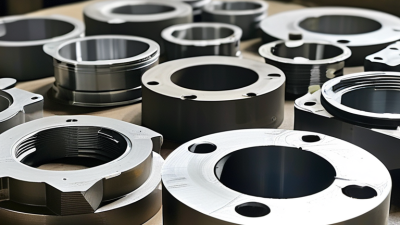
When evaluating aluminum casting processes, understanding quality standards is crucial. High-quality aluminum parts should demonstrate consistent dimensions and smooth finishes. These factors directly impact the performance in various applications. The casting process must ensure minimal defects, such as air bubbles or inclusions, which can lead to premature failure.
Quality assurance is paramount. Manufacturers often conduct tests like X-ray inspections or tensile strength assessments to verify product integrity. Additionally, certification from recognized industry bodies can indicate adherence to strict quality standards. However, not all manufacturers communicate their quality control measures effectively. It’s essential to engage directly with suppliers to discuss their practices.
The source of aluminum is another critical aspect. Recycled aluminum can be an option, but its quality may fluctuate. Potential flaws from recycled materials could affect the final product. Always consider the supplier's reputation and experience, as this plays a significant role in ensuring quality. Transparency in manufacturing processes can often be a reflection of the supplier's commitment to excellence.
Key Factors to Consider: Material Properties and Specifications
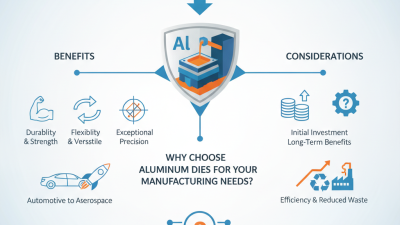
When choosing quality casting aluminum parts, understanding material properties is paramount. Aluminum offers excellent corrosion resistance and lightweight characteristics. These properties make it ideal for various applications, from automotive to aerospace. Selecting the right alloy is crucial. Alloys determine strength, ductility, and thermal conductivity.
Consider specifications such as tensile strength and elongation percentage. These measurements indicate how well the aluminum parts will perform under stress. Evaluate the manufacturing process, as it affects surface finish and tolerances. A well-produced part should have minimal defects and meet industry standards.
Tips: Check the supplier's certifications and experience. An established provider often ensures high-quality products. Request samples to examine firsthand. Look for signs of craftsmanship and precision. Keep notes on different suppliers and their offerings. Reflect on your needs and adjust your criteria accordingly. Quality always trumps quantity when it comes to sourcing materials.
Analyzing Supplier Capabilities and Industry Certifications
When selecting casting aluminum parts, evaluating supplier capabilities is crucial. A capable supplier should demonstrate experience in aluminum alloy specifications. Look for those who have worked with multiple industries. Their background can signal reliability. Engaging with suppliers that understand your needs provides a sense of security. Moreover, assess their production processes. Efficient production techniques often lead to better quality parts.
Industry certifications play a pivotal role in establishing trust. Certifications indicate that a supplier adheres to strict quality standards. Check for ISO certifications or similar qualifications. These endorsements reflect a commitment to excellence. However, not all certified suppliers are created equal. It’s vital to review their history and any past issues. A supplier’s transparency about challenges they faced can be an important indicator of their reliability.
Consider seeking customer testimonials or recommendations when available. This feedback can offer insights into the supplier's performance and product quality. It’s not uncommon for a supplier to have strengths in some areas but weaknesses in others. Knowledge of these aspects aids in making informed decisions. Combining supplier capabilities with industry certifications provides a comprehensive view. It ensures that the casting aluminum parts meet your business needs.
Cost-Benefit Analysis of High-Quality vs. Low-Quality Aluminum Parts
When choosing aluminum parts for your business, a cost-benefit analysis is essential. High-quality aluminum parts often come with a higher initial investment. However, they usually offer better performance, durability, and longevity. This leads to fewer replacements and repairs over time, ultimately saving money.
Low-quality options, while budget-friendly upfront, may end up costing more in the long run. They can fail under stress, leading to production delays and wasted materials. It's crucial to consider the full lifecycle of the parts you choose. Look at the potential hidden costs associated with low-quality options.
**Tips:** Always request samples before making a large purchase. This helps evaluate quality firsthand. Additionally, examine the manufacturer's reputation. Seek industry reviews or testimonials. Investing in quality parts may seem daunting, but it often pays off. Evaluate your specific needs and balance them against your options.

 +86-13516964051


 CONTACT NUMBER
 CONTACT NUMBER