2026 Best Die Casting Part Solutions for Global Buyers?
In the world of manufacturing, "Die Casting Part" technologies have become crucial for delivering high-quality components. As industries evolve, the demand for precision and durability in die casting parts increases. By 2026, buyers worldwide seek optimal solutions to meet their specific needs.
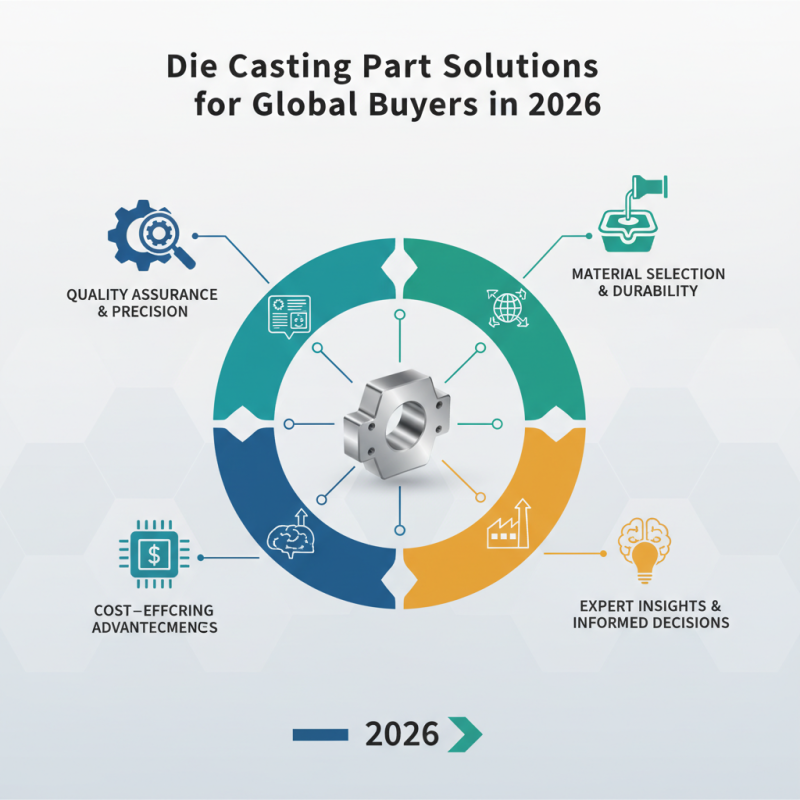
This landscape presents unique challenges for global buyers. Quality assurance, cost-effectiveness, and material selection are key factors. Manufacturers must navigate these complexities to provide reliable die casting parts. Despite advancements, issues such as design limitations and production delays can arise. Buyers often need to consider these potential pitfalls when sourcing their components.
Expert insights and industry trends will guide buyers toward the best die casting part solutions. Companies with established credibility offer more than just products; they present long-term partnerships. Ultimately, understanding the nuances of die casting will empower buyers to make informed decisions.
Overview of Die Casting: Definition and Importance in Manufacturing
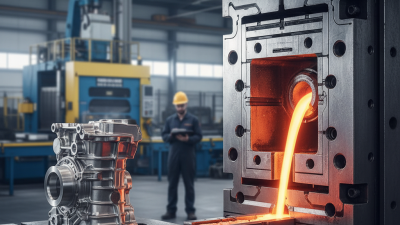
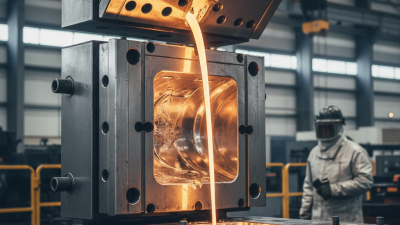
Die casting is a pivotal manufacturing process. It involves forcing molten metal into a mold to create complex shapes with high precision. This method is crucial for producing durable and lightweight parts across various industries. According to the Global Die Casting Market Report, the industry is projected to grow significantly, reaching $13.2 billion by 2026.
The importance of die casting extends beyond just manufacturing efficiency. It improves product quality by ensuring tight tolerances. Moreover, these parts exhibit excellent structural integrity. This process significantly reduces waste material, making it environmentally friendly. However, achieving consistent quality can be challenging. Variations in temperature and alloy composition can lead to defects in the final products. Manufacturers must pay close attention to these factors.
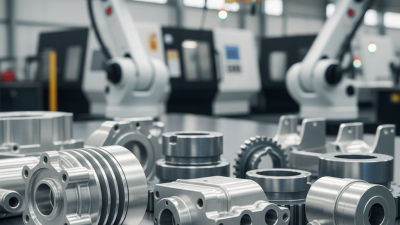
Additionally, the rise of automation in die casting operations enhances productivity. Recent studies indicate that integrating advanced robotics can improve cycle times by up to 30%. However, the initial investment for such technologies can be daunting. Many companies hesitate, weighing short-term costs against long-term benefits. This situation calls for careful consideration and strategic planning.
Types of Die Casting Processes: Methods and Applications Explained
Die casting is a significant manufacturing process, widely used in various industries. It involves forcing molten metal into a mold to create complex shapes. The most common materials used are aluminum, zinc, and magnesium. According to a recent industry report, die casting production is expected to reach $88 billion by 2026. This growth is driven by increasing demand in automotive and aerospace sectors.
Various die casting methods exist, including high-pressure and low-pressure die casting. High-pressure die casting is known for achieving high precision and surface quality. It is ideal for larger production runs. On the other hand, low-pressure die casting is suitable for thicker parts. Researchers noted that defects like porosity and surface irregularities can occur in die casting. Addressing these issues requires a knowledgeable approach to process parameters.
Applications are vast, ranging from automotive components to consumer electronics. Each industry demands specific characteristics in die cast parts. For instance, automotive components require high strength and durability. A study indicated that 85% of manufacturers prioritize these traits when selecting die casting methods. However, industries need to remain vigilant about changing regulations impacting materials and processes, necessitating ongoing learning and adaptation.
2026 Best Die Casting Part Solutions for Global Buyers
| Process Type |
Material |
Typical Application |
Advantages |
Disadvantages |
| High-Pressure Die Casting |
Aluminum |
Automotive Parts |
High precision, low porosity |
High initial cost, limited to metals with low melting points |
| Low-Pressure Die Casting |
Zinc |
Hardware Components |
Reduced gas porosity, thicker walls |
Longer cycle times, less versatility in part shapes |
| Die Casting with Cold Chamber |
Magnesium |
Electrical Components |
Good for high melting point materials |
Complex setup, lower production rates |
| Die Casting with Hot Chamber |
Lead |
Toys and Decorative Items |
Higher production rates, lower costs |
Limited to low melting metals |
Key Factors in Selecting Die Casting Part Solutions for Global Markets
When selecting die casting part solutions for global markets, several key factors come into play. Understanding the material properties is crucial. Magnesium and aluminum are popular choices due to their lightweight and corrosion-resistant nature. According to a recent industry report, 70% of manufacturers prefer aluminum due to its versatility and strength. However, the right choice may depend on specific application requirements.
Cost efficiency cannot be overlooked. Die casting processes can vary significantly in expense. For instance, high-pressure die casting offers precision, but at a higher cost. A study indicates that companies can save up to 30% with semi-solid die casting methods under the right conditions. Balancing quality with budget constraints is vital for profitability.
Another important factor is supplier reliability. Working with trusted partners can mitigate risks associated with production delays. A survey found that 58% of procurement professionals prioritize supplier experience and performance history. Yet, not all suppliers may meet expectations, leading to potential setbacks. Keeping open lines of communication can help address these challenges proactively. Making informed decisions lies at the heart of effective sourcing in this competitive landscape.
Top Die Casting Manufacturers: Leading Companies and Their Offerings
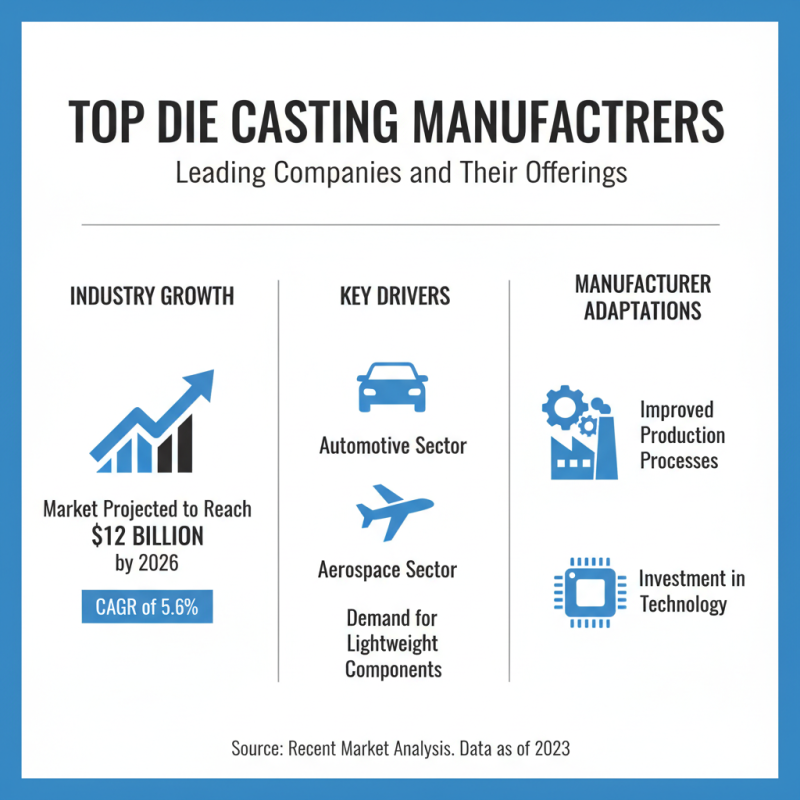
The die casting industry has shown remarkable growth, driven by advancements in manufacturing techniques. According to recent market analysis, the global die casting market is projected to reach $12 billion by 2026, with a CAGR of 5.6%. This growth is attributed to the increasing demand for lightweight components in automotive and aerospace sectors. Manufacturers are adapting to market needs by improving production processes and investing in technology.
Leading manufacturers focus on offering solutions that enhance efficiency. They are introducing automated systems that reduce cycle times and improve precision. Reports suggest that using robotic automation can increase output by up to 25%. However, suppliers still face challenges in ensuring quality control and managing material costs. These issues can complicate relationships with clients seeking reliability.
Industry experts emphasize the importance of sustainability. Some companies are exploring recycling processes for aluminum die casting. Although these initiatives are commendable, the technology is still developing. Progress in this area can lead to better environmental practices. The path forward involves balancing innovation with practical implementation. Overall, the landscape of die casting is evolving, but consistent quality and customer satisfaction remain paramount.
Future Trends in Die Casting: Innovations and Sustainability Efforts
The die casting industry is evolving rapidly, driven by innovations and a push for sustainability. Advanced materials are now being used to create lightweight and durable parts. These materials often improve product performance while reducing environmental impact. Manufacturers are increasingly adopting eco-friendly practices, focusing on recycling and energy efficiency.
Companies are exploring new technologies like 3D printing and automation. This shift can lead to significant cost savings and shorter lead times. However, challenges remain. Not all processes are fully optimized yet. There are inconsistencies in quality control and material sourcing that need addressing.
Sustainability is not just a trend; it’s essential for long-term success. Consumers demand products that are both high-quality and environmentally responsible. The industry must adapt to these expectations. As organizations strive for greener operations, they will face hurdles. Balancing innovation with sustainability will take time and thoughtful planning. The pursuit of excellence in die casting requires an ongoing commitment to improvement.

 +86-13516964051


 CONTACT NUMBER
 CONTACT NUMBER