What is Aluminum Pouring and How is it Done in China?
Aluminum pouring is a critical process in manufacturing industries across China. This method involves melting aluminum and pouring it into molds to create various products. The precision and technique used are significant for ensuring quality.
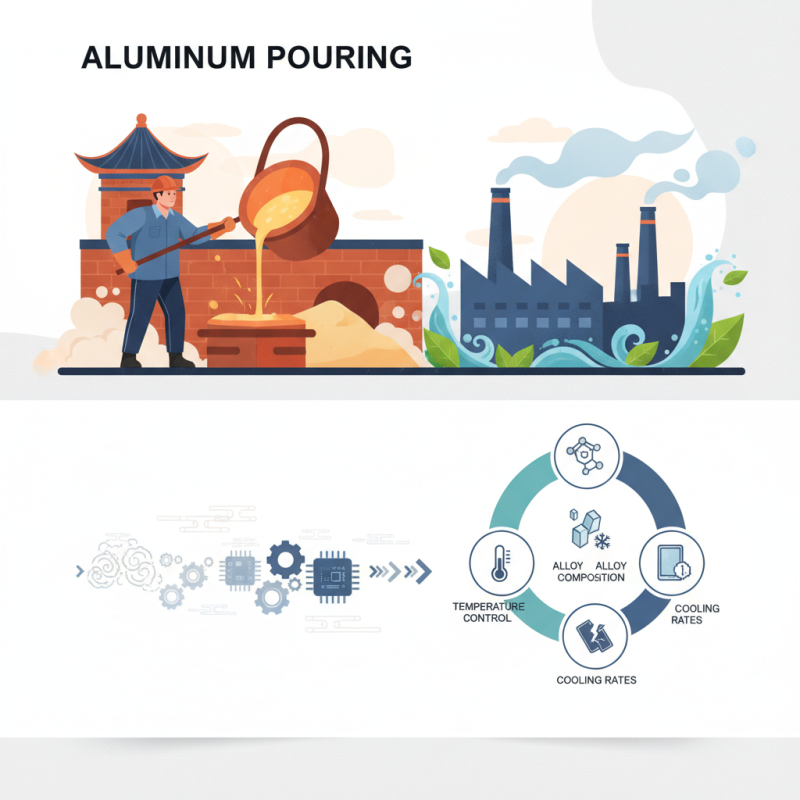
In China, aluminum pouring is a blend of traditional craftsmanship and modern technology. Workers skillfully manage temperatures to achieve the desired consistency. However, inconsistencies can arise. Factors like alloy composition and cooling rates often lead to defects. These need careful monitoring.
The environmental impact of aluminum pouring is another concern. Factories must deal with waste and emissions effectively. Sustainable practices are still evolving. While progress is made, challenges remain. Overall, aluminum pouring is both an art and a science, requiring continuous improvement and reflection.
What is Aluminum Pouring?
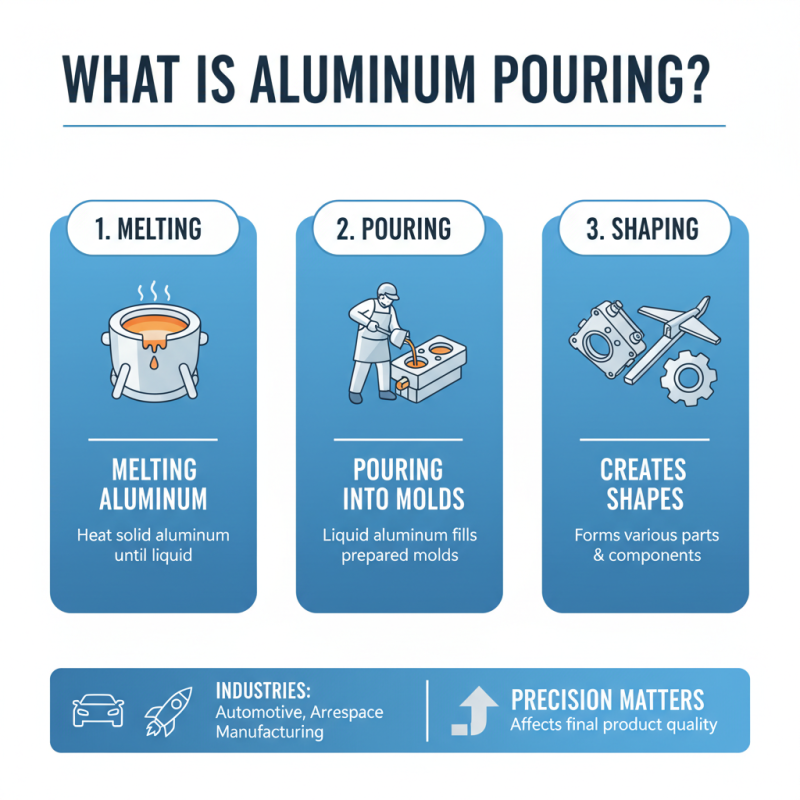
Aluminum pouring is a critical process in metal casting. It involves melting aluminum and pouring it into molds to create various shapes and components. The technique is prevalent in several industries, including automotive and aerospace. The precision of pouring directly affects the quality of the final product.
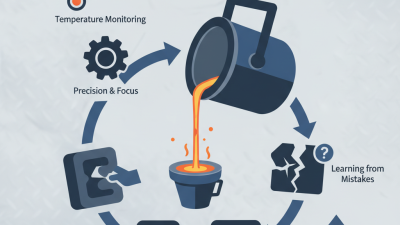
The melting process requires careful temperature control. Aluminum typically melts at around 660 degrees Celsius. Pouring it too hot can lead to defects like porosity. Workers must also consider the mold material, which can significantly impact the cooling rate. Molds made from sand or metal each have unique characteristics that influence how the aluminum will solidify.
In China, aluminum pouring practices are evolving. New technologies are improving efficiency and reducing waste. However, some foundries still rely on outdated methods. This can lead to variability in product quality. Addressing these inconsistencies is vital for maintaining competitiveness. As the industry grows, the importance of innovation becomes clear.
The Aluminum Pouring Process: A Step-by-Step Guide
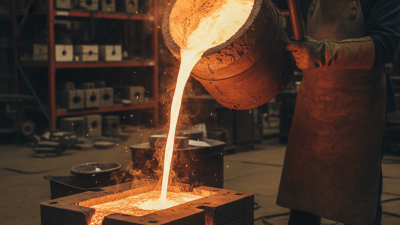
The aluminum pouring process is crucial in various industries. In China, this process involves several key steps. Initially, raw aluminum is melted in a furnace. It is vital to maintain precise temperature control. Too high temperatures can degrade the alloy. The molten aluminum must be carefully poured into molds. This requires skill and attention.
After pouring, the molds are left to cool. Cooling time can vary based on the thickness of the cast. Once cooled, the mold is removed. This stage can be tricky, as improper removal can damage the aluminum piece. Inspecting the final product is essential. Any defects must be addressed immediately.
Workers often strive for perfection, but challenges arise. Variations in temperature can lead to inconsistencies. Air bubbles may form, which weaken the casting. Moreover, the process can be harsh on equipment, leading to frequent maintenance. Each pour offers a chance to learn and improve. Inevitably, mistakes teach valuable lessons for future casts.
Aluminum Pouring Process in China - Monthly Production Volume
Essential Equipment and Tools Used in Aluminum Pouring
Aluminum pouring is a crucial process in manufacturing within China.
It involves melting aluminum and transferring it into molds. The process requires specific equipment and tools that are vital for
efficiency and safety. Crucible furnaces are commonly used to melt aluminum to high temperatures.
This equipment ensures that the metal reaches a molten state, suitable for pouring.
In addition to furnaces, ladles are essential for transporting molten aluminum.
They come in various sizes, depending on the pour's scale. Safety gear cannot be overlooked. Workers wear
heat-resistant gloves and protective eyewear.
Melted aluminum can be unpredictable. Spills or splashes can cause serious injuries. Proper training and precautions are needed
to handle these risks effectively.
Molds play a significant role in shaping the final product.
They must be durable and able to withstand high heat. However, they can wear down over time. Regular maintenance is
necessary to prevent defects in the poured aluminum. The entire setup involves precise measurements and timings.
Any small mistake can lead to increased costs and wasted materials. Continuous improvement is crucial in this field.
Safety Measures and Precautions in Aluminum Pouring
Aluminum pouring is a complex process. It involves melting aluminum and transferring it into molds. Safety measures are crucial at every stage. In China, workers must wear protective gear. This includes gloves, helmets, and heat-resistant clothing. The right equipment minimizes the risk of burns and injuries.
The workplace should have proper ventilation. Fumes are a concern during the melting process. Workers often overlook this aspect. Adequate airflow helps reduce health risks. Fire safety measures are also essential. Molten aluminum can ignite nearby materials. Fire extinguishers must be accessible and regularly checked.
Training is vital for all participants. Workers need to understand the hazards. Using machines and tools incorrectly can lead to accidents. Regular drills can enhance preparedness. However, not all facilities conduct thorough training. Continuous improvement is necessary for safety protocols. Each incident should prompt a review of safety practices.
Aluminum Pouring Practices: Insights from China
Aluminum pouring is a critical process in manufacturing. In China, it plays a vital role due to the country's robust industrial sector. The aluminum industry in China has seen substantial growth, with a production volume reaching around 36 million tons in recent years, according to industry reports. This makes China a global leader in aluminum production.
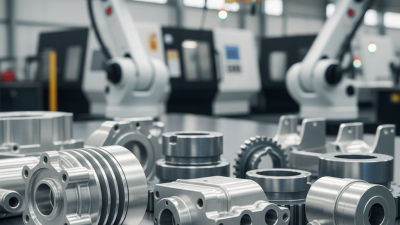
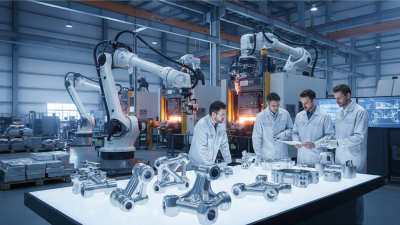
Pouring methods vary. Some factories utilize advanced technology, like robotic arms, for precise pouring. Others rely on traditional techniques, which can lead to inconsistencies. Reports indicate that up to 15% of aluminum poured can result in defects. Environmental concerns are also rising. The carbon footprint of aluminum production is significant, prompting many to rethink their methods.
Not all practices are ideal. Some procedures lack efficiency. Workers may face safety risks due to poor training. Effective pouring requires skill, yet not all operators receive comprehensive instruction. Data suggests that training gaps can lead to a 10% increase in error rates. Understanding these practices can help improve both quality and safety in the industry.

 +86-13516964051


 CONTACT NUMBER
 CONTACT NUMBER